
15 July 2026
Commercial Fuse Board and Distribution Board Upgrades in Bristol: Signs You Need One and What's Involved
The distribution board is the part of your electrical installation nobody thinks about until it starts causing trouble, yet it is the heart of the whole system - every circuit in the building runs through it. In a lot of Bristol’s older commercial stock, from the Victorian units of Bedminster and Old Market to converted premises across the city, the board is decades out of date: rewireable fuses instead of breakers, no RCD protection, and no room to add the circuits a modern business needs. An old board is not just inconvenient when it trips - it is a genuine safety and compliance issue, and faulty or overloaded electrics remain one of the leading causes of fire in commercial buildings. This guide covers how to tell when your board needs replacing, what an upgrade involves, and what it costs.
What a Distribution Board Actually Does
The distribution board takes the incoming electricity supply and splits it into the separate circuits that feed the building - lighting here, sockets there, dedicated circuits for machinery, heating, and everything else. Each of those circuits runs through its own protective device in the board, a fuse or a breaker, which cuts the power if that circuit is overloaded or develops a fault. It is the control centre and the safety hub of the installation rolled into one.
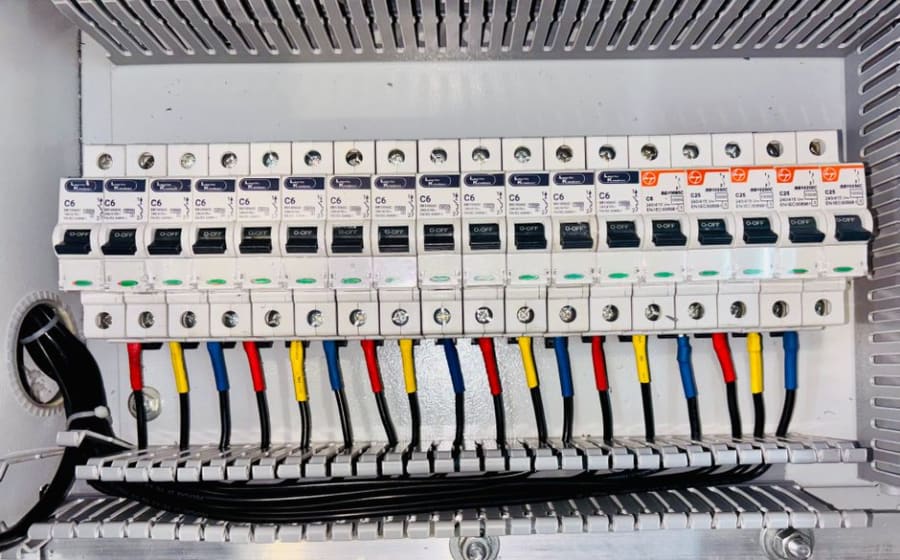
That means the board is doing two jobs at once: distributing power efficiently and protecting the building and the people in it. When it is modern and correctly specified, you barely notice it. When it is old, undersized or poorly protected, it becomes the weak point that everything else depends on. Getting it right is fundamental to any commercial wiring installation, which is why an upgrade is one of the most worthwhile pieces of electrical work a business can invest in.
Signs Your Bristol Business Needs a Board Upgrade
You do not need to be an electrician to spot the warning signs. Frequent tripping or blown fuses is the obvious one - a board that keeps cutting out is usually overloaded or struggling. An old-style board with rewireable fuses, where you replace a wire rather than flick a switch, is a clear sign of age. No RCD protection is another: if there is no test button on the board, you almost certainly have none of the shock and fire protection modern standards require.
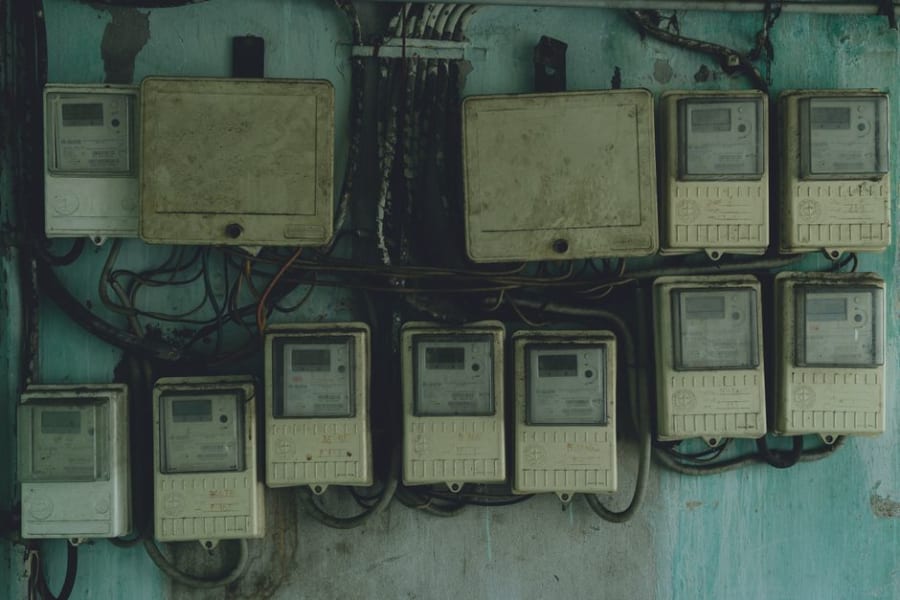
More urgent signs include any burning smell, warmth or scorching around the board, which needs an electrician immediately, and a board with no spare ways, so you cannot add a circuit without a rethink. If your last EICR flagged the distribution board with a C1 or C2 code, that is a formal warning that action is needed. Any one of these is worth a look. Several together almost always point to an upgrade.
Old Boards and Why They Fail Modern Businesses
The core problem is that older boards were designed for a different era of electrical demand. A board installed thirty years ago was never meant to run a floor of computers, air conditioning, a commercial kitchen or EV charging. Rewireable fuses are slow to operate and offer none of the fine protection of modern breakers. Worse, most old boards have no RCD protection at all, which is now considered essential for protecting people from electric shock and for reducing the risk of electrical fires.
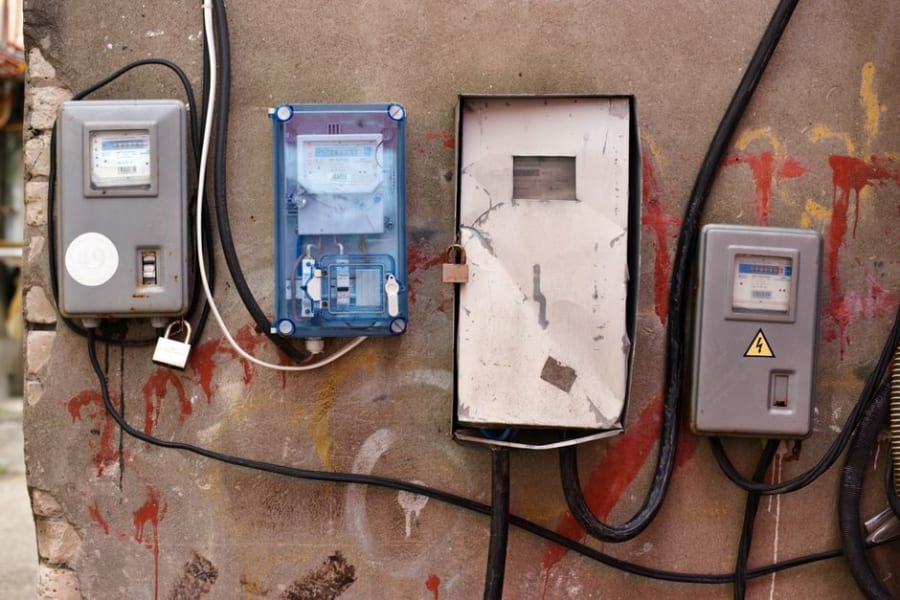
Modern boards also add layers that old ones simply do not have. RCBOs combine overload and shock protection on individual circuits, so a fault on one circuit does not black out the whole building. Surge protection can be built in to guard sensitive equipment. Electrical Safety First, the safety charity, is a good plain-English source on why modern protection matters. The short version is that an old board is a liability that a modern one removes.
What an Upgrade Involves
A board upgrade is a controlled, methodical job rather than a rip-and-replace. It starts with a survey: the electrician checks the incoming supply, the existing circuits, the load the building actually draws, and what you need it to do. That determines the size and type of board. The work itself means safely isolating the supply, transferring each circuit onto the new board with the correct protection, and labelling everything clearly so future work is straightforward.

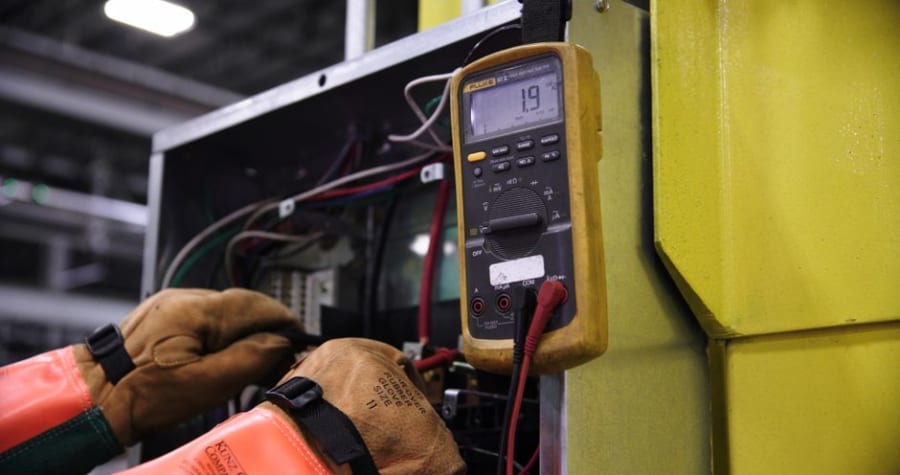
Then comes the part that matters most - testing. Every circuit is tested to confirm it is safe and correctly protected, and you receive an Electrical Installation Certificate for the work. Good electricians plan the changeover around your business, doing it early, late or in stages so the power is only off when it causes least disruption. A well-run board upgrade in a Bristol business is often a day’s work with the lights back on before you open, not a week of chaos.
Single-Phase vs Three-Phase Boards
Most small commercial premises run on a single-phase supply and a single-phase board, which is fine for a shop, a small office or a café. But businesses with heavier demands - workshops, industrial units, anywhere with large motors, commercial refrigeration or serious machinery - often need a three-phase board to distribute the load properly.

If your business is growing into heavier equipment, a board upgrade is the natural moment to consider whether three-phase is the right move, because retrofitting it later is more disruptive. We cover when it makes sense in our guide to three-phase power for Bristol businesses. Even within single-phase, sizing the new board with spare capacity for future circuits is sensible - it costs little now and saves a second upgrade down the line.
Compliance, RCD Protection and the 18th Edition
Any new board is installed to the current wiring regulations, BS 7671, now in its 18th edition. In practice that means proper RCD or RCBO protection on the circuits that need it, correct labelling, and a board rated for the installation. This is not optional gold-plating - it is the standard a compliant commercial installation has to meet, and it is what keeps you on the right side of the duty under the Electricity at Work Regulations 1989 to maintain a safe electrical system.
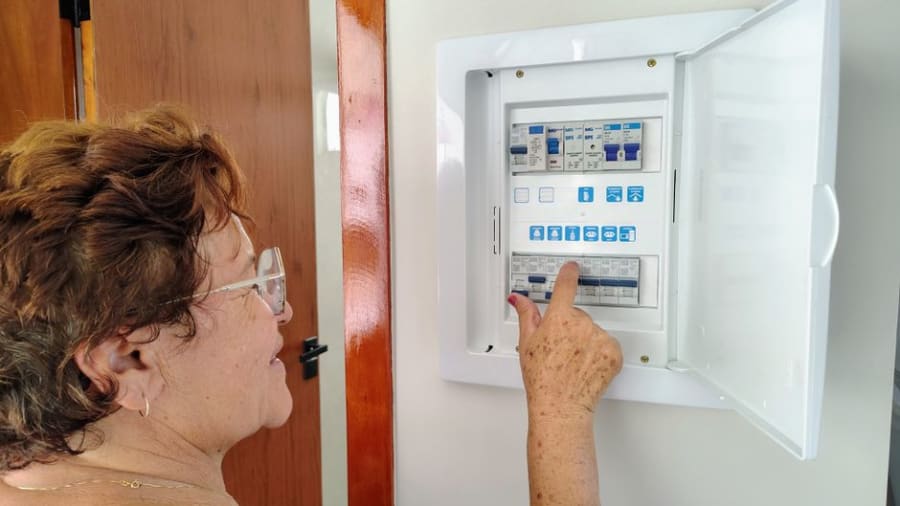
Using an accredited electrician matters here. NICEIC-registered contractors work to these standards and certify the work, which is exactly the paperwork your insurers and any future EICR will want to see. An upgrade done properly resets the clock on your installation’s compliance and gives you a documented, safe board to build on. Done cheaply by someone cutting corners, it stores up problems that surface at the next inspection.
What a Commercial Board Upgrade Costs in Bristol
Cost depends on the size and type of board, the number of circuits, and whether it is single or three-phase. A straightforward single-phase board changeover for a small Bristol shop or office is a relatively contained job, often in the hundreds to low thousands depending on circuit count. A large three-phase board serving an industrial unit, with many circuits and higher-rated protection, costs considerably more because there is far more to it.
The reliable way to get a figure is a survey, not a phone estimate. An electrician looks at the incoming supply, counts and assesses the circuits, checks the load, and quotes against the real work - flagging anything else that needs attention at the same time. Given that the board underpins every circuit in the building, it is not the place to chase the cheapest quote. It is the place to get it done properly once. If your board is showing any of the signs above, it is worth getting it looked at before it forces the issue.
Frequently Asked Questions
How do I know if my Bristol business needs a new fuse board?
The common signs are frequent tripping or blown fuses, an old board with rewireable fuses rather than modern breakers, no RCD protection, a burning smell or scorching around the board, no spare ways to add circuits, and an EICR that has flagged the board. Any one of these is worth an electrician looking at; several together usually means an upgrade.
What is the difference between a fuse board and a distribution board?
They are broadly the same thing - the enclosure that takes the incoming supply and splits it into the individual circuits around the building, each protected by a fuse or breaker. “Fuse board” and “consumer unit” are the older domestic terms, “distribution board” is the usual commercial term, especially for larger three-phase installations. The job it does is the same: distribute and protect.
Does a commercial distribution board need RCD protection?
Modern installations to the current wiring regulations require RCD or RCBO protection on most circuits to protect against electric shock and reduce fire risk. Older boards often have none. When a board is upgraded it is brought up to the current standard, which for most commercial circuits means proper RCD protection built in.
How long does a commercial board upgrade take in Bristol?
A straightforward single-board changeover is often done in a day, planned around your trading hours so the power is only off when it suits you. Larger installations, multiple boards or three-phase upgrades take longer, and anything involving the incoming supply may need coordinating with the network operator. A survey gives you an accurate timescale.
Get a free quote from Bristol Commercial Electricians for a distribution board survey or upgrade at your Bristol premises.