
15 July 2026
Cutting Your Bristol Business's Electricity Bills: A Commercial Electrician's Guide
Electricity is one of the few overheads a Bristol business can genuinely reduce without cutting corners, yet most premises are still paying for waste they could remove. Commercial and industrial buildings account for a large share of the UK’s electricity use, and a chunk of that is lighting empty rooms, running old inefficient kit, and heating or cooling space that nobody is in. With energy prices where they are, the savings from getting this right are real money on the bottom line - and they line up neatly with Bristol’s own push to be a carbon-neutral city. This guide runs through the changes that actually move the needle on a commercial electricity bill, roughly in order of how quickly they pay back, from a commercial electrician’s point of view rather than a salesperson’s.
Where a Bristol Business’s Electricity Actually Goes
Before spending anything, it helps to know where the money goes. In a typical Bristol commercial building the big electrical loads are lighting, heating and cooling, and equipment - and the mix depends heavily on what you do. A warehouse near Avonmouth spends most of its electricity on lighting the floor and running machinery. A city centre office spends it on lighting, computers, and air conditioning. A restaurant kitchen burns power on refrigeration and equipment that runs all day.
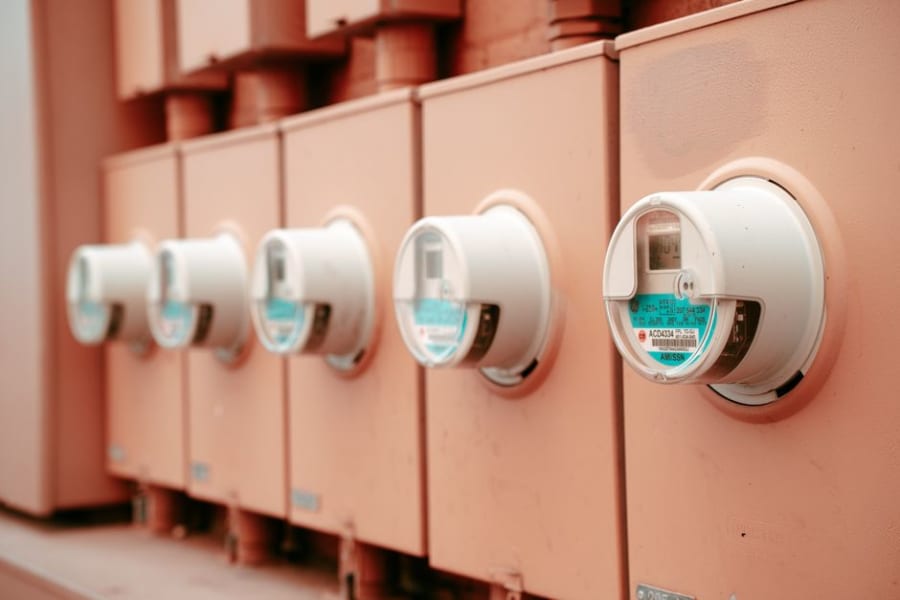
You cannot cut what you cannot see, so the first step is understanding your own profile. Your electricity bills and, if you have one, a half-hourly meter tell you a lot: a high overnight baseload, for instance, usually means something is running when the building is empty. Getting an EICR or a proper electrical survey done also flags inefficient or faulty loads. Once you know where the electricity is going, the right upgrades are obvious rather than guesswork.
LED Lighting: The Biggest Quick Win
For most Bristol businesses, lighting is the fastest and largest saving available. Older fluorescent tubes, halogen spots and high-pressure sodium or metal-halide high-bays draw far more power than modern LED for the same or better light. Switching to LED can cut lighting energy use dramatically, and LEDs last many times longer, so you also slash maintenance and replacement costs - a real factor in a warehouse where changing a failed high-bay means an access platform and downtime.
The payback is usually a few years, sometimes less for premises that run their lights long hours. Retail units, offices, warehouses and hospitality venues all tend to see a quick return. Our LED lighting upgrades for Bristol commercial properties post goes into the numbers, and our commercial lighting service handles everything from an office relamp to a full warehouse high-bay retrofit. If you do one thing on this list, do this.
Lighting Controls, Sensors and Zoning
Switching to LED is half the story. The other half is not lighting space that nobody is using. A surprising amount of commercial lighting energy is spent illuminating empty storerooms, corridors, meeting rooms and back-of-house areas, or lighting a whole floor when only one corner is occupied. Controls fix that cheaply.

Presence detection turns lights off when a room empties, daylight dimming turns them down when the sun is doing the work near windows and rooflights, and zoning lets you light only the part of the building in use. In a large open space like a warehouse or an open-plan office, zoning and sensors layered on top of an LED retrofit can add a meaningful further cut to the lighting bill. Controls are relatively inexpensive to add during a lighting upgrade, so it makes sense to do both together rather than retrofitting sensors later.
Heating, Power and Standby Loads
Beyond lighting, the quiet drains are worth hunting down. Electric heating and cooling are heavy loads, and simple measures - timers and thermostats set correctly, zoning so you are not heating empty areas, and not letting air conditioning and heating fight each other - save real money. Equipment left on standby overnight and at weekends adds up across a business, and a timer or a smarter distribution setup can shut down what does not need to run.

For businesses with heavy machinery, the way power is delivered matters too. Correctly specified circuits and, where appropriate, a three-phase supply run heavy equipment more efficiently than an overstretched single-phase installation that trips and runs hot. Poor connections and failing equipment also waste energy as heat - one more reason a well-maintained installation costs less to run than a neglected one. The Carbon Trust publishes practical guidance for businesses on cutting energy use across exactly these areas.
Solar PV and On-Site Generation
Once you have stopped wasting electricity, generating your own is the next step. Commercial solar PV suits a lot of Bristol premises, particularly those with a large, unshaded roof and high daytime electricity use - warehouses, industrial units, offices and shops. Solar generates most of its power during working hours, exactly when a typical business is drawing the most, so it offsets grid electricity at the times you use it rather than exporting it cheaply.
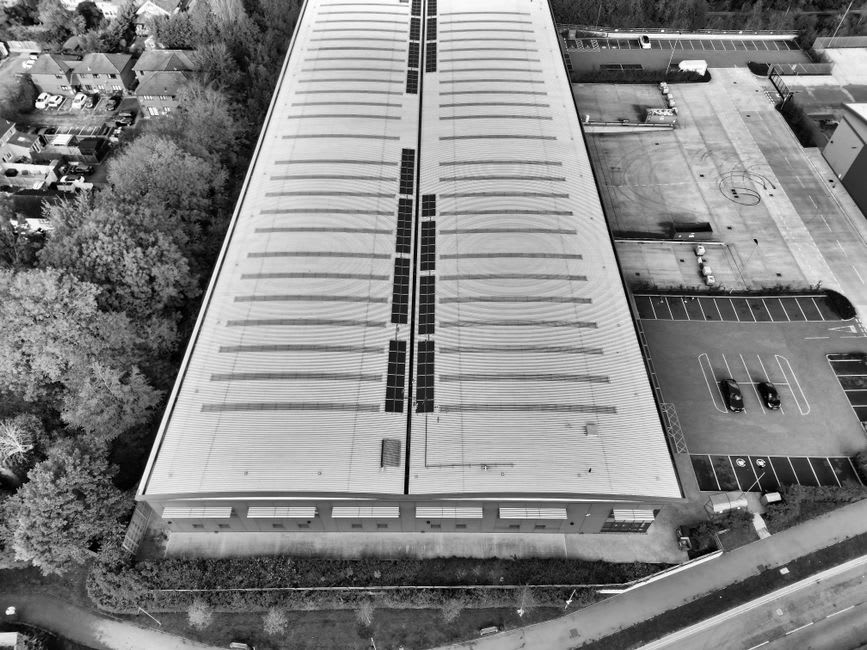
The return depends on your roof, your usage pattern and the price you pay for grid power, so it needs a proper assessment rather than a generic promise. Battery storage can push the self-consumption higher by holding daytime generation for later. Our post on solar PV for Bristol commercial properties covers what an installation involves and what it realistically saves. For a business with the right roof, it is one of the strongest long-term plays on this list.
EV Charging Done Efficiently
More Bristol businesses are installing electric vehicle charging, for staff, customers or fleets, and done carelessly it can add a large and expensive load. Done well, it barely touches your peak demand. The trick is load management - charging vehicles in a staggered way, overnight where possible, so you stay within your existing supply and off the most expensive tariff periods, rather than all drawing at once and forcing a costly supply upgrade.

For a business already investing in solar, pairing it with EV charging is neat: daytime generation can feed the chargers directly. Our EV charger installation service designs commercial charging with load management built in, so the charging cost is controlled rather than a nasty line on next quarter’s bill. Getting the design right at the start is far cheaper than paying for a supply upgrade you could have avoided.
Maintenance, Monitoring and the Bristol Net-Zero Angle
The last saving is the one businesses forget: keep the installation healthy. Faulty equipment, loose connections and failing components waste energy as heat and can push a bill up quietly for months before anyone notices. Regular commercial electrical maintenance catches those before they cost you, and monitoring your consumption - even just watching the meter and the bills for unexplained rises - turns energy from a fixed cost into something you manage.

There is a local dimension too. Bristol has committed to becoming carbon neutral through its One City Climate Strategy, and commercial energy efficiency is a big part of that. For landlords, efficiency also affects a building’s Energy Performance Certificate and its ability to be let under minimum standards. Cutting your electricity bill, in other words, is not just good for the books - in Bristol it increasingly lines up with the rules and the direction of travel. Start with the lighting, work down the list, and the savings compound.
Frequently Asked Questions
What is the quickest way to cut my Bristol business’s electricity bill?
For most premises, switching to LED lighting is the fastest, highest-impact change. Lighting is one of the largest electrical loads in a commercial building, and LED can cut that use substantially while lasting far longer. Adding sensors and zoning on top increases the saving. It usually pays for itself within a few years.
Is commercial solar worth it for a Bristol business?
Often, yes, especially for a business with a large roof and high daytime electricity use like a warehouse, office or shop. Solar generates most when a typical business is open and drawing power, offsetting expensive grid electricity. The return depends on your roof, usage pattern and energy price, so it is worth a proper assessment rather than a rule of thumb.
Do lighting sensors and controls really save money?
Yes. A large share of commercial lighting energy is wasted lighting empty spaces - storerooms, corridors, meeting rooms, out-of-hours areas. Presence detection, daylight dimming and zoning mean you only light what is in use, which can cut lighting energy meaningfully on top of the LED saving itself.
Can an electrician find where my business is wasting electricity?
Yes. A commercial electrician can assess your installation, identify heavy or inefficient loads, spot equipment running when it should not be, and recommend targeted upgrades. Regular maintenance also catches faults like failing equipment drawing excess current before they inflate your bill or cause a failure.
Get a free quote from Bristol Commercial Electricians for an energy-focused electrical survey, LED upgrade, solar or efficient EV charging across Bristol.