
15 July 2026
Electric Heating for Bristol Commercial Properties: Moving Off Gas
The direction of travel is clear: Bristol commercial properties are moving off gas. Between the city’s own commitment to become carbon neutral, the national push away from fossil-fuel heating, tightening energy efficiency rules for let buildings, and the simple fact that a lot of Bristol’s older commercial stock has tired, inefficient heating, more business owners and landlords are looking at electric heating than ever. But swapping gas for electric is not a like-for-like change - it affects your electrical supply, your running costs, your building’s energy rating and sometimes whether you can let it at all. This guide sets out the main electric heating options, what each means for your electrics, and how to plan the switch so it saves money rather than costing it.
Why Bristol Businesses Are Moving Off Gas
Several pressures are pushing in the same direction. Bristol has set out to be a carbon-neutral city, and heating is one of the biggest sources of a building’s emissions, so electric heating powered by an increasingly clean grid is central to that. Nationally, the long-term move is away from gas, and new commercial developments increasingly go electric from the start rather than installing gas that will need replacing.
Then there is the regulatory push. Minimum energy efficiency standards affect whether a commercial property can be let, and an old gas system in a poorly performing building can become a problem at lease renewal or sale. Add rising awareness of running costs and the appeal of pairing heating with on-site solar, and the case for looking at electric is strong. The key, though, is doing it well - a thoughtless switch can raise bills, so understanding the options matters.
The Main Electric Heating Options
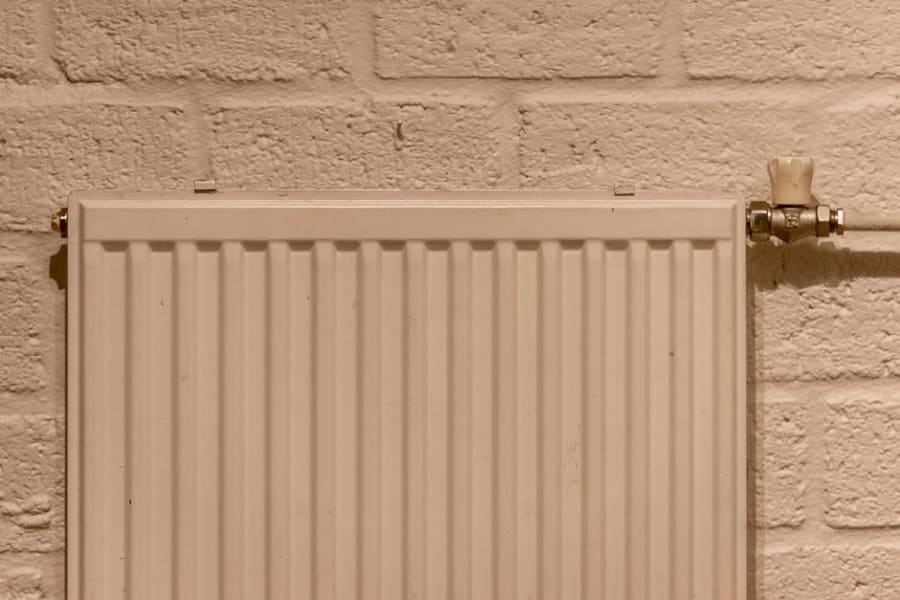
There is no single electric heating answer, and the differences between the options are large. Heat pumps are the efficient front-runner, moving heat rather than generating it directly and delivering several units of heat for each unit of electricity - the best choice for whole-building heating where the building suits them. Electric boilers are the closest swap for a gas boiler, heating water for existing radiators or underfloor systems, simpler to install but less efficient than a heat pump.
Infrared and electric panel heaters heat directly and quickly, which suits zoned or spot heating - a workshop bay, a shop floor, a room used intermittently - where heating the whole building would be wasteful. Electric underfloor heating gives comfortable, even warmth and works well in fit-outs and refurbishments. Each has a different cost, efficiency and supply implication, so the right pick depends entirely on the building and how it is used, which is why a proper assessment beats a default choice.
Heat Pumps for Commercial Properties
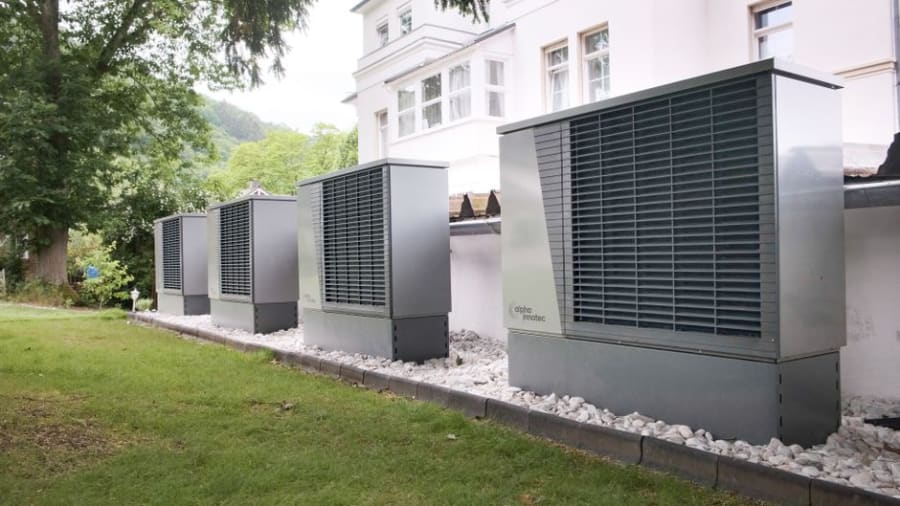
Heat pumps are where the efficiency is, and for many Bristol commercial properties they are the sensible long-term answer. An air source heat pump draws warmth from the outside air and concentrates it to heat the building, delivering far more heat energy than the electricity it uses. That efficiency is what makes electric heating genuinely cost-competitive rather than expensive, especially over a system’s lifetime.
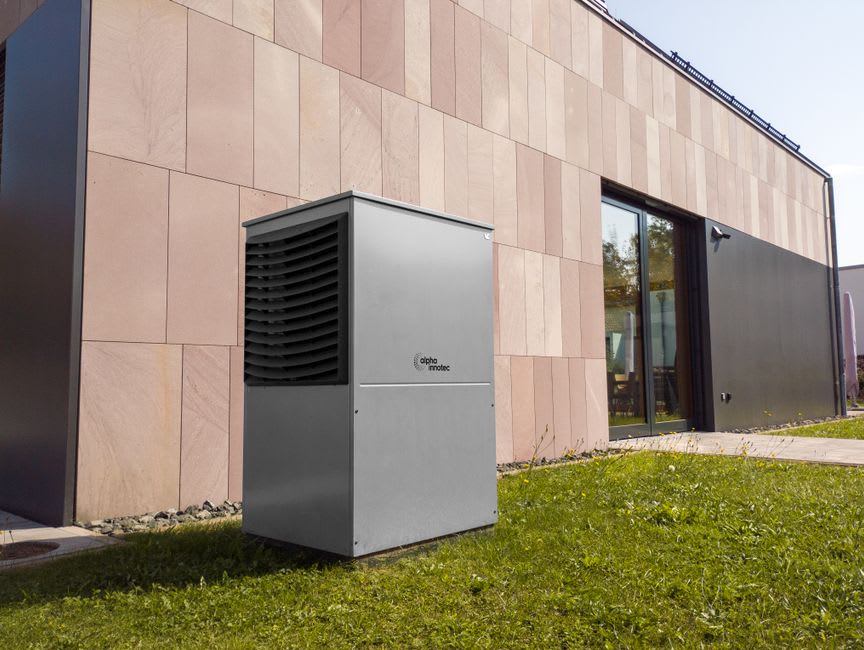
They are not a drop-in for every building, though. Heat pumps work best in reasonably well-insulated premises and run at lower flow temperatures than a gas boiler, which can mean larger radiators or underfloor systems to get the same output. They also add a meaningful electrical load, so the supply has to be up to it. For the right building - and with the insulation and system design considered together - a heat pump is the strongest move off gas, and it pairs naturally with solar PV to cut running costs further.
Infrared and Electric Panel Heating
Not every building needs a whole-system solution, and this is where direct electric heating earns its place. Infrared panels heat objects and people rather than the air, warming a space quickly and working well where you want targeted heat - a reception area, a workshop station, a room used only part of the time. Electric panel and radiator heating is simple to install, needs no wet system or plant, and gives precise zoned control so you are not heating empty space.

The trade-off is running cost: direct electric heating uses a unit of electricity for a unit of heat, so it is best used deliberately - zoned, controlled and only where it is needed - rather than as a blanket way to heat a large building, where a heat pump would be far cheaper to run. Used well, though, infrared and panel heating is a flexible, low-install-cost way to move parts of a building off gas, and it is often the right answer for spot heating and intermittently used spaces.
What Electric Heating Means for Your Supply
This is the part businesses often overlook, and it is where a commercial electrician is essential. Electric heating adds load, and heat pumps in particular can add a lot, so the first question is always whether the building’s incoming supply and distribution board can take it. Many older Bristol commercial premises were wired for a modest load decades ago and simply do not have the spare capacity for significant electric heating without an upgrade.
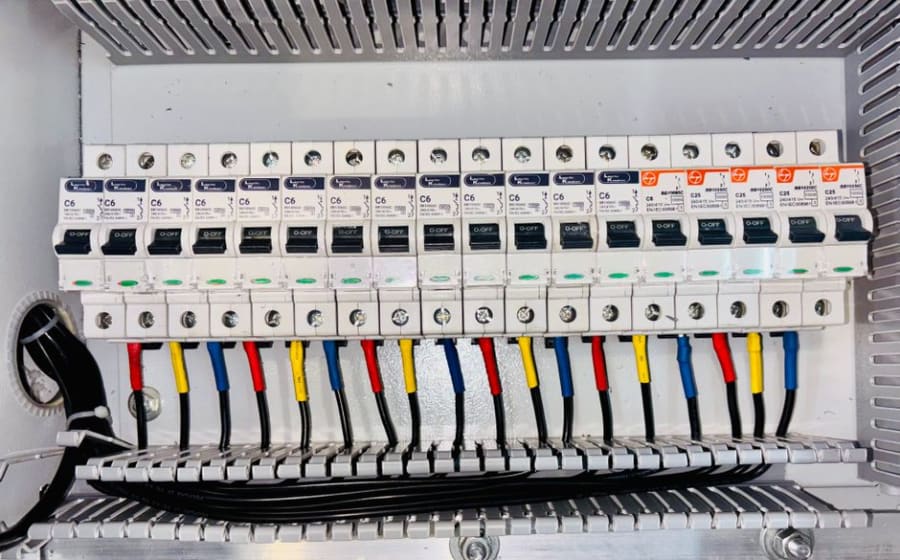
Assessing the supply, the board and the existing circuits comes before any heating decision, because the heating has to fit what the building can deliver - or a supply upgrade, and possibly a move to three-phase power, has to be planned and costed in. Getting this the wrong way round, by choosing a heating system and then discovering the supply cannot feed it, is an expensive mistake. The Carbon Trust publishes useful guidance for businesses weighing up low-carbon heating, but the supply assessment is specific to your building.
EPC, MEES and the Compliance Angle
For landlords especially, heating and compliance are linked. A commercial property’s Energy Performance Certificate reflects how efficiently it uses energy, and the heating system is a big factor. An efficient system like a heat pump generally supports a better rating, while old inefficient heating drags it down. That matters because minimum energy efficiency standards affect whether a commercial building can legally be let.

So a heating change is not just an operational decision - it can affect the lettability and value of the building. A landlord planning to improve a tired commercial unit is often better off treating the heating, the insulation and the electrical supply as one project with the EPC in mind, rather than replacing a gas boiler in isolation. Thinking about it that way turns a compliance headache into an upgrade that protects the building’s value and its ability to be let.
Planning the Switch: Getting It Right for Your Bristol Premises
Moving off gas rewards planning and punishes guesswork. The right starting point is an assessment of the building - its use, its insulation, its existing heating and, above all, its electrical supply - so the heating system is chosen to suit all of them rather than picked in isolation. That assessment tells you what is realistic, what the supply can take, and whether an upgrade needs planning in, so there are no surprises mid-project.

Done properly, the switch can be phased, sized correctly, and paired with efficiency measures and solar to keep running costs down. Done as a hasty like-for-like swap, it can land a business with higher bills and a supply that struggles. For a genuine view of what electric heating would mean for your premises - the options, the supply implications and the cost - it is worth getting an electrician to assess the building first. We are happy to look at a Bristol commercial property and set out the electrical side of moving off gas plainly.
Frequently Asked Questions
Is electric heating cheaper to run than gas for a commercial property?
Per unit, electricity costs more than gas, so a simple like-for-like swap to electric panel heaters can raise running costs. The efficient route is a heat pump, which delivers several units of heat for each unit of electricity, and pairing electric heating with on-site solar. Whether electric works out cheaper depends on the system chosen, the building and how it is used, which is exactly what an assessment establishes.
Does moving to electric heating need an electrical supply upgrade?
Often, yes. Electric heating, and heat pumps in particular, add significant load, and many older Bristol commercial supplies do not have the spare capacity to take it without an upgrade. Assessing the incoming supply and the distribution board is the first step, because the heating design has to fit what the building can actually deliver, or an upgrade has to be planned in.
What are the main electric heating options for a commercial building?
The main options are heat pumps (the most efficient, best for whole-building heating), electric boilers (a closer swap for a gas boiler feeding radiators or underfloor), infrared and electric panel heaters (good for zoned or spot heating), and electric underfloor heating. The right choice depends on the building, how it is used, and your supply, so it is worth an assessment rather than a default pick.
Will electric heating affect my building’s EPC rating?
It can, in both directions. An efficient system like a heat pump generally supports a better Energy Performance Certificate, while inefficient direct electric heating can score poorly. Because minimum energy efficiency standards affect whether a commercial property can legally be let, landlords in particular should factor the EPC impact into any heating change rather than treating it as separate.
Get a free quote from Bristol Commercial Electricians for an assessment of electric heating and your electrical supply at your Bristol commercial property.