
15 July 2026
Electrical Work in Bristol's Listed and Conservation-Area Commercial Buildings
Bristol wears its history in its buildings, and a lot of that history is now offices, shops, bars and studios. The city has 33 conservation areas and thousands of listed buildings, from the Georgian terraces of Clifton to the merchant houses of the Old City and the Victorian warehouses of King Street and Welsh Back. Running a modern business out of a protected building is common here - and so is the moment a business owner discovers that the electrics are decades out of date and that they cannot simply rip them out and start again. Working on a listed or conservation-area building is a different discipline: it needs the right consents, a careful approach to original fabric, and an electrician who has done it before. This guide covers what is involved, what the rules are, and what it costs.
Bristol’s Listed and Conservation-Area Commercial Stock
Bristol’s commercial heritage is unusually rich. The Old City around Corn Street and Broad Street is dense with listed former banks and merchant buildings now used as bars, offices and event spaces. Clifton and the Georgian streets above the city centre hold period townhouses turned into consultancies, clinics and shops. King Street, Christmas Steps and Welsh Back carry timber-framed and Victorian stock, and Queen Square is one of the largest Georgian squares in the country. Across all of it, Bristol City Council lists 33 conservation areas, each with its own controls.
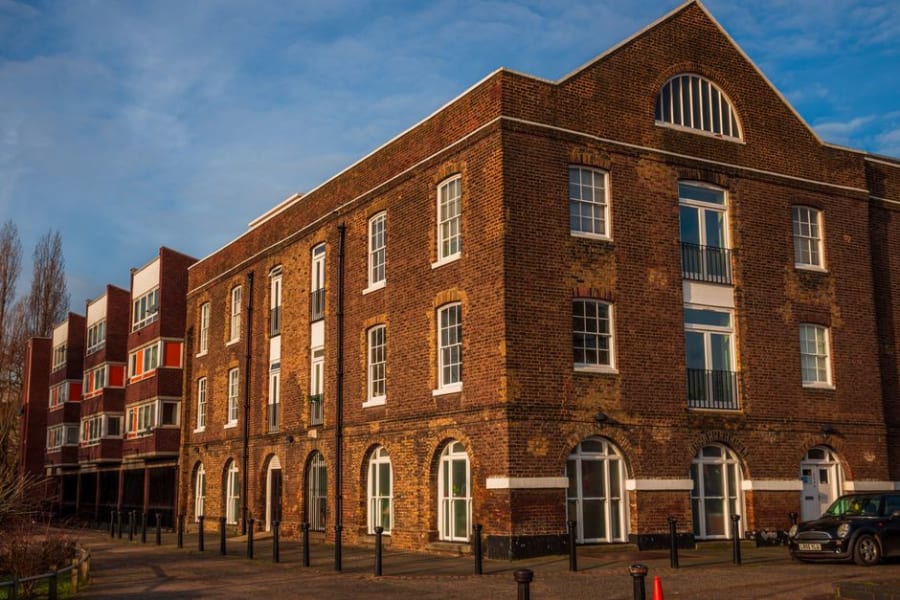
What ties these buildings together electrically is that they were never designed for modern demand. A Georgian merchant’s house was built for candles, then retrofitted for gas, then wired for a fraction of the load a modern office places on it. Solid stone or brick walls, lath and plaster, timber floors and protected features all make electrical work slower and more involved than in a modern unit. The first job on any period building is understanding what you are dealing with before a single cable is run - the same honest assessment that starts any commercial wiring project, but with heritage constraints on top.
What “Listed” and “Conservation Area” Mean for Electrical Work
The two protections are different and it is worth being clear. A listed building is individually protected for its special architectural or historic interest, graded I, II* or II, and administered nationally by Historic England. A conservation area is a wider designation protecting the character of a whole area rather than a single building. A building can be in a conservation area without being individually listed, and both bring extra controls.

For electrical work the key point is consent. Works that affect the special character of a listed building need listed building consent from the council, and doing that work without it is a criminal offence, not a paperwork slip. A rewire almost always affects protected fabric - you are chasing walls, lifting floors and running cable through the building - so consent is usually required. In a conservation area the controls are lighter for internal work but still real, especially for anything visible externally. The safe approach is always to check with the council first.
The Real Challenges of Rewiring a Period Building
This is where experience earns its keep. Modern buildings are easy to wire because they have cavities, plasterboard and predictable structure. A period Bristol building has none of that. Walls are solid stone or brick, often a foot or more thick, with no cavity to drop a cable down. Internal walls are frequently lath and plaster, which cracks and crumbles if you chase into it carelessly. Floors are solid timber boards over joists, sometimes original, that cannot simply be lifted and binned.
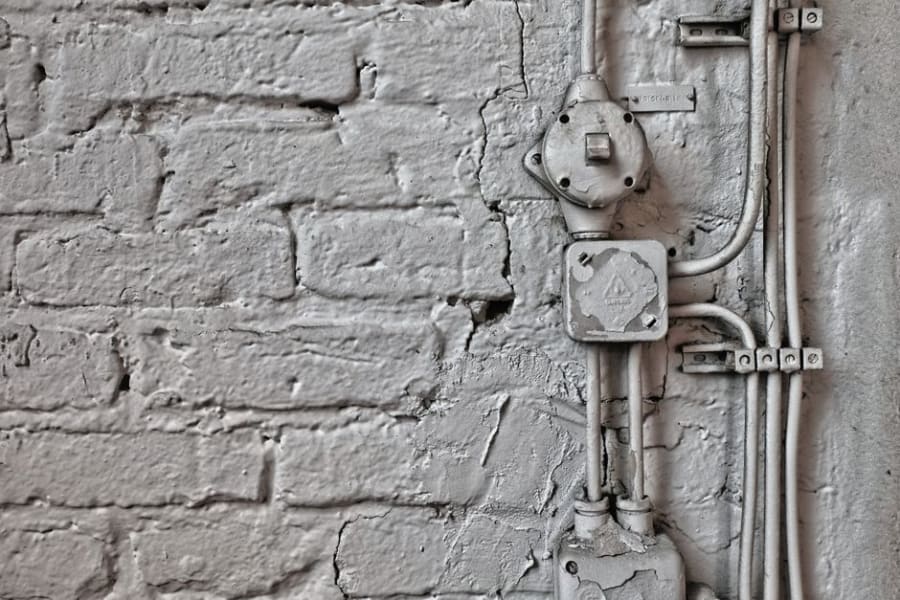
The result is that routes a modern electrician takes for granted do not exist. Cable has to be threaded through existing voids, run under floorboards that are carefully lifted and relaid, taken behind skirting, or run in discreet surface containment where concealment would do too much damage. Lime plaster, common in older Bristol buildings, behaves differently from modern gypsum and needs a gentler hand. None of this is impossible, but it is slow, skilled work, and anyone who quotes to rewire a listed building at the same rate as a modern unit either does not understand the job or is planning to cut corners.
Working Around Original Features
The features that make these buildings worth protecting are exactly the ones that make wiring them delicate. Ornate cornicing and ceiling roses cannot be drilled through for a light fitting without thought. Timber panelling, common in Bristol’s former banks and merchant houses, hides useful cable routes but must not be damaged. Flagstone and parquet floors, original fireplaces and decorative plasterwork all constrain where you can and cannot go.

The craft is finding routes that leave the fabric untouched - using existing service voids, running behind removable sections of panelling, concealing cable in floor voids, and choosing accessories that suit the building rather than jarring against it. Where surface wiring is genuinely the only option, it can be run in sympathetic containment and positioned discreetly. We see this constantly in the period commercial stock around Clifton and the city centre, and our post on commercial electrical work in Clifton goes into what turns up on those jobs. The goal is an installation that is safe and modern but almost invisible.
Consent, the Council and Getting It Right
Getting the process right protects both the building and you. For listed building work, the route is an application for listed building consent through Bristol City Council, often supported by a heritage statement explaining how the work respects the building. The council’s conservation team, and for significant projects its Conservation Advisory Panel, will look at what is proposed. This takes time, so it has to be built into the project programme rather than treated as an afterthought.

Skipping consent is a genuine risk, not a technicality - unauthorised work to a listed building is a criminal offence and can lead to enforcement requiring the work to be undone. An electrician who works on Bristol’s heritage stock will be used to designing installations that stand a good chance of consent and to working alongside the conservation process. It is one more reason to use someone who knows the local buildings and the local council rather than a contractor from out of area seeing lath and plaster for the first time.
Meeting Modern Standards Without Wrecking the Building
None of the heritage constraints reduce the safety requirement. A listed building must still meet the current wiring regulations, BS 7671, and the duty to keep the installation safe applies exactly as it would anywhere else. Insurers still want a satisfactory condition report, and a business still needs reliable power for modern equipment. The challenge is meeting all of that using methods that respect the fabric.
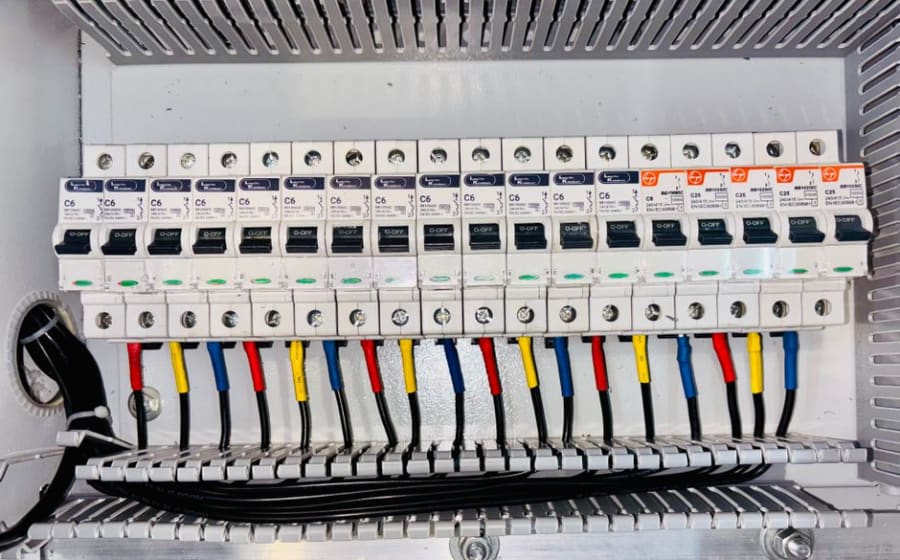
In practice that means a design that achieves compliance through careful routing, discreet distribution, and accessories chosen to suit the setting, rather than the fastest modern install. A periodic inspection tells you the true state of an old installation, and getting an EICR on the commercial property is the sensible first step before any upgrade, because it shows what genuinely needs doing and what can stay. Done well, a period building ends up safe, compliant and fit for modern use with its character intact.
What Electrical Work Costs in a Bristol Period Commercial Building
Expect to pay more than you would for an equivalent modern unit, and understand why. The extra cost is not markup - it is time. Solid walls, protected features, careful routing, slower working methods and the consent process all add hours, and skilled heritage work commands a fair rate. A straightforward job in a modern office might take days where the same job in a listed building takes a week or more.

The only honest way to price it is a site survey. An electrician who knows period buildings looks at the structure, the features, the existing installation and what you need the building to do, then quotes against the real work and flags where consent will be needed. That survey is worth having even if you are only planning the project, because it turns a vague worry about “the old wiring” into a clear scope and a real number. For heritage commercial buildings across Bristol, that is always where we start.
Frequently Asked Questions
Do I need listed building consent to rewire a commercial property in Bristol?
Very likely, yes. Listed building consent is needed for works that affect the special character of a listed building, and a rewire almost always involves chasing walls, lifting floors or running new cable that touches protected fabric. Carrying out that work without consent is a criminal offence, so you check with Bristol City Council’s conservation team before starting.
Can you rewire an old building without damaging original features?
Largely, yes, but it takes planning and the right approach. On solid walls with no cavities, cable is often run in careful surface conduit, in existing voids, under floors or behind skirting rather than chased into lime plaster. Cornicing, panelling and flagstone floors are worked around, not through. It is slower than a modern building, which is reflected in the time and cost.
Does a listed commercial building still have to meet current wiring regulations?
Yes. Being listed does not exempt a building from BS 7671 or from the duty to keep the electrical installation safe. The skill is meeting the current standard using methods that respect the historic fabric - sometimes that means surface solutions, discreet routing and sympathetic accessories rather than the quickest modern install.
How much more does electrical work cost in a period building?
More than an equivalent modern building, because the work is slower, more careful and often needs consent. Solid walls, awkward access, protected features and the extra planning all add time. The exact figure depends on the building, so a site survey is the only reliable way to price it.
Get a free quote from Bristol Commercial Electricians for electrical work on listed and conservation-area commercial buildings across Bristol.