
15 July 2026
Warehouse and Industrial Unit Electrical Work in Bristol: Avonmouth, Severnside and St Philip's Marsh
Bristol has become one of the South West’s biggest logistics and industrial hubs, and the electrical demands of that stock are a world away from a city centre office. The warehouses and distribution units along the Avonmouth and Severnside enterprise area, the trade and industrial estates around St Philip’s Marsh and Brislington, and the older manufacturing units dotted across the city all run heavy machinery, high-bay lighting and, increasingly, electric vehicle fleets. Commercial and industrial buildings use a large share of the UK’s electricity, and a distribution warehouse can draw more power in a day than a street of houses. Getting the electrical design right is what keeps a unit running safely and efficiently. This guide walks through what industrial electrical work in Bristol actually involves, from three-phase supplies to the salt-air problem at Avonmouth, and what it costs.
Bristol’s Industrial Areas and What They Demand Electrically
Bristol’s industrial property is not one thing. Avonmouth and Severnside is dominated by large-scale distribution sheds and port-related units, where the electrical priority is heavy, reliable power and vast areas of lighting. St Philip’s Marsh, close to Temple Meads, is a dense mix of trade counters, workshops and food units on older infrastructure that often needs upgrading. Brislington and Ashton Vale carry a spread of light industrial and trade tenants, while pockets of Victorian manufacturing stock across the city were never wired for modern loads.
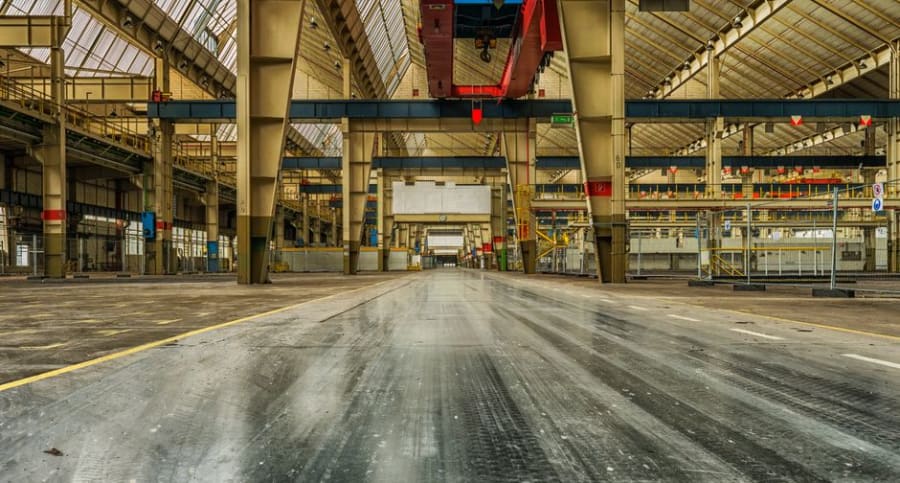
Each of these demands a different approach. A new-build shed at Avonmouth is designed around its power requirement from day one, whereas a tenant taking on an older St Philip’s unit usually inherits wiring that predates their equipment. The first job on any industrial project is an honest assessment of what the existing supply can carry and what the business actually needs - a step our team treats as non-negotiable before any commercial wiring work begins.
Three-Phase Power and Heavy Load Design
Most serious industrial equipment - large motors, compressors, refrigeration, production machinery - needs a three-phase supply rather than the single-phase power a shop or office runs on. Three-phase delivers more power more smoothly and is essential for anything with a heavy start-up surge. If a Bristol unit does not already have three-phase, bringing it in means an application to the local distribution network operator, National Grid Electricity Distribution, which handles the network across the South West.

That process takes planning. A straightforward connection where the local network has spare capacity can move quickly, but where reinforcement is needed it can take months, so it has to be factored into any fit-out timeline. The internal side - distribution boards, sub-mains, and the circuits feeding each machine - is then designed around the total load with headroom for growth. We cover when a business needs it and how the upgrade works in our guide to three-phase power for Bristol businesses. Under-specifying at this stage is the most expensive mistake an industrial tenant can make.
High-Bay and Warehouse Lighting
Lighting a warehouse is a specialist job. Ceilings of eight metres and up need high-bay fittings designed to throw usable light down to floor and racking level, and the sheer floor area means lighting is often the single biggest ongoing electrical cost in an industrial unit. This is where modern LED makes the strongest case: switching from old high-pressure sodium or metal-halide high-bays to LED can cut lighting energy use dramatically while improving light quality for picking, packing and safety.
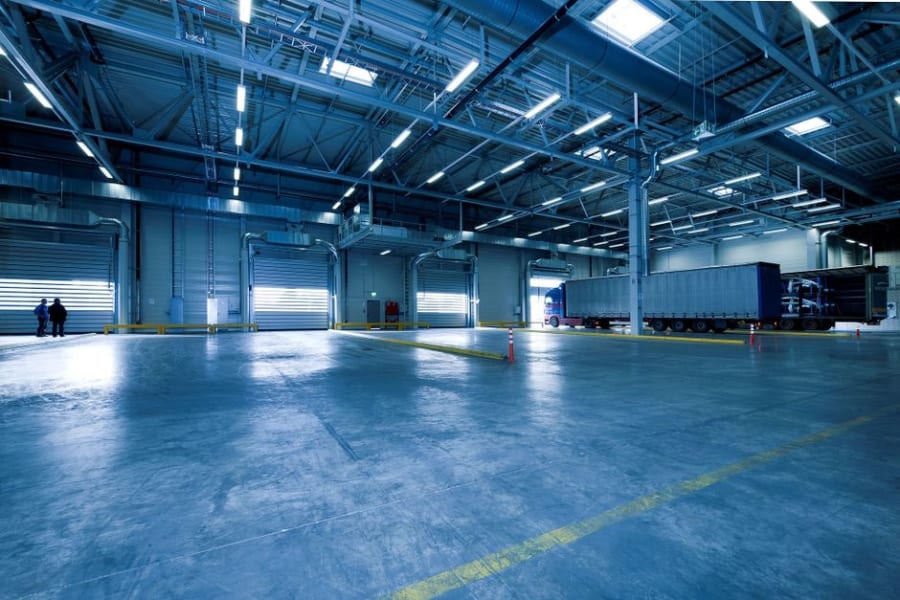
Good warehouse lighting design also uses zoning and motion sensors so aisles that are not in use are not burning power, and it accounts for racking layout so shelving does not cast the floor into shadow. Emergency lighting to cover escape routes across a large open floor is a legal requirement, not an extra. Our commercial lighting service handles high-bay installations and LED retrofits across Bristol’s industrial estates, and for most units the energy saving pays back the upgrade within a few years.
Power Distribution, Sub-Boards and Machine Wiring
Behind every working industrial unit is a distribution system that gets power from the incoming supply to dozens of points safely. In a warehouse that means a main distribution board feeding sub-boards around the building, with dedicated circuits for machinery, dock levellers, roller shutter doors, charging areas, offices and welfare facilities. Each machine circuit is sized to its load and protected correctly, and isolators are placed so equipment can be shut off safely for maintenance.
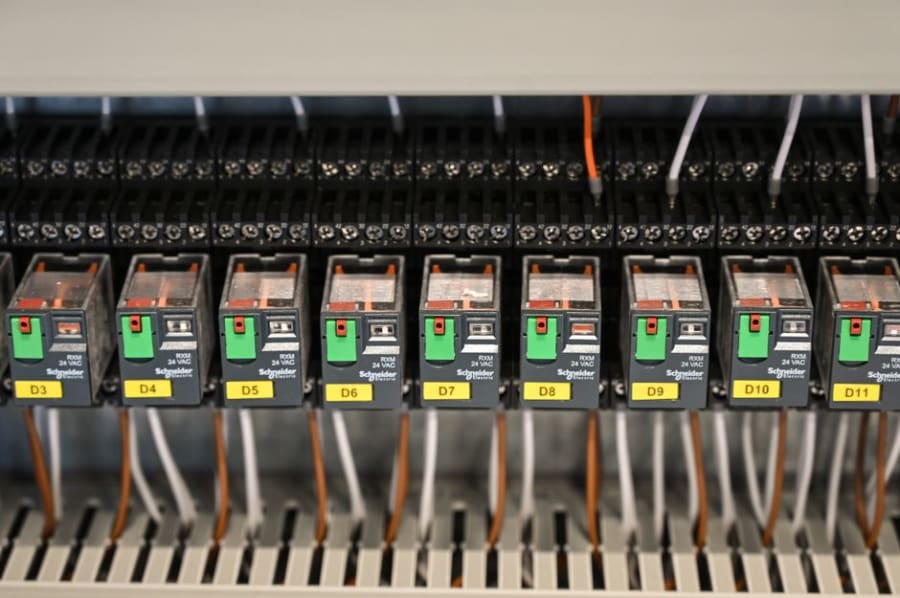
Flexibility matters here. Industrial tenants move machinery, add production lines and change layouts, so a well-designed installation leaves spare capacity and accessible routes for adding circuits later without tearing the place apart. Cable management - tray, trunking and armoured cable rated for the environment - keeps everything safe and serviceable. Poor distribution design shows up as nuisance tripping, overheating and downtime, which in a distribution operation running to tight delivery windows is the last thing anyone can afford.
EV Charging and Fleet Infrastructure for Distribution Units
The biggest change coming to Bristol’s industrial units is fleet electrification. Distribution and logistics operators running vans and HGVs out of Avonmouth and Severnside are installing charging infrastructure at scale, and that is a major electrical project in its own right. Charging a fleet overnight draws serious power, and the supply has to be assessed before anything is installed - it is common to find that a unit’s existing capacity cannot support the charging load without an upgrade.

Done properly, fleet charging is designed with load management so vehicles charge in a staggered way that stays within the site’s supply, avoiding an expensive network reinforcement. Future-proofing matters too: putting in the ducting and capacity for more charge points than you need today is far cheaper than digging the yard up again in two years. Our EV charger installation service covers workplace and multi-bay commercial charging across Bristol, from a handful of bays to full fleet depots.
Compliance, EICRs and the Salt-Air Factor at Avonmouth
Industrial electrical installations carry the same legal duties as any workplace - the Electricity at Work Regulations 1989 require the system to be maintained in a safe condition, and the Health and Safety Executive’s electrical safety guidance sets the expectation for periodic inspection. For industrial units the inspection interval is often shorter than the standard five years because the environment is harsh and the loads are heavy. Landlords letting industrial space also need to consider the minimum energy efficiency standards for commercial property, which affect whether a unit can legally be let.
Avonmouth adds its own wrinkle, and it is one out-of-area contractors miss constantly. Its position on the Severn estuary means salt-laden air, which eats away at electrical fittings, external isolators and metalwork far quicker than inland. Installations there need corrosion-resistant enclosures and more frequent inspection of outdoor equipment than a unit in, say, Brislington would. That is exactly the kind of local factor an electrician who actually works these estates plans for from the start. Getting an EICR on a commercial property done on the right interval keeps the unit compliant and insurable.
What Industrial Electrical Work Costs in Bristol
Industrial electrical work is priced on the scale and complexity of the job rather than a simple rate, because no two units are the same. A high-bay LED relight of a mid-sized warehouse, a three-phase distribution upgrade, or a fleet charging installation are each substantial projects running into thousands, while a straightforward periodic inspection or a single machine circuit is far less. The variables are the size of the floor area, the incoming supply, the number and type of machines, and whether the network needs reinforcing.
The honest way to price it is a site survey. An electrician assesses the supply, the existing installation and your equipment schedule, then quotes against the actual work - not a guess over the phone. That survey also flags anything that needs doing for compliance, so there are no surprises mid-project. For a broader view of rates across services, our guide to commercial electrical work costs in Bristol is a useful starting point.
Frequently Asked Questions
Do I need a three-phase supply for my Bristol warehouse?
If you run heavy machinery, large motors, refrigeration or a lot of high-power equipment, almost certainly yes - single-phase cannot deliver the load smoothly. Equipment drawing more than around 3kW continuously, or with a large start-up surge, generally needs three-phase. If your unit does not already have it, bringing it in involves an application to National Grid Electricity Distribution, so it needs planning into your timeline.
How much can LED high-bay lighting save an industrial unit?
Lighting is often the biggest ongoing electrical cost in a warehouse, and switching old high-pressure sodium or metal-halide high-bays to LED can cut that lighting energy use substantially while improving light levels. With zoning and motion sensors added, the saving is larger still. For most Bristol units the upgrade pays for itself within a few years.
Why does Avonmouth need different electrical treatment to other Bristol units?
Avonmouth sits on the Severn estuary, so the air carries salt that corrodes electrical fittings, external isolators and metalwork faster than inland. Installations there need corrosion-resistant enclosures and more frequent inspection of outdoor equipment. A local electrician who works the estate designs for this from the start.
How long does an industrial electrical fit-out take in Bristol?
It depends on scope. A machine circuit or an inspection is a day or two, a high-bay relight or distribution upgrade runs longer, and anything needing a new or upgraded three-phase supply depends on the network operator’s timescale, which can be several months if reinforcement is required. A site survey gives you an accurate programme before work starts.
Get a free quote from Bristol Commercial Electricians for warehouse and industrial electrical work across Avonmouth, Severnside and the wider Bristol area.