15 July 2026
Electrical Fit-Out for a Café or Coffee Shop in Bristol: Power, Lighting and What It Costs
Bristol runs on independent coffee, and behind every good café is an electrical installation working a lot harder than the calm room out front suggests. From Stokes Croft and Gloucester Road to North Street in Bedminster and the units around Wapping Wharf, the city’s coffee shops pack serious equipment into small spaces - espresso machines that pull as much power as an electric shower, grinders, fridges, dishwashers - alongside the lighting and customer power that make people want to stay. Get the electrical fit-out right and the place hums through a Saturday rush without a flicker. Get it wrong and you are resetting a tripped board with a queue out the door. This guide covers what a café electrical fit-out in Bristol actually involves, from the coffee bar to the customer sockets, and what it costs.
Why a Café Fit-Out Needs More Power Than You Think
A café looks like a low-demand space - it is not. The espresso machine alone is one of the most power-hungry appliances in any small commercial premises, and it does not work alone. Add a grinder, one or two under-counter fridges, a dishwasher, a water heater and a small kitchen, and you have a cluster of equipment that all wants power at once, during the exact hours the place is busiest.
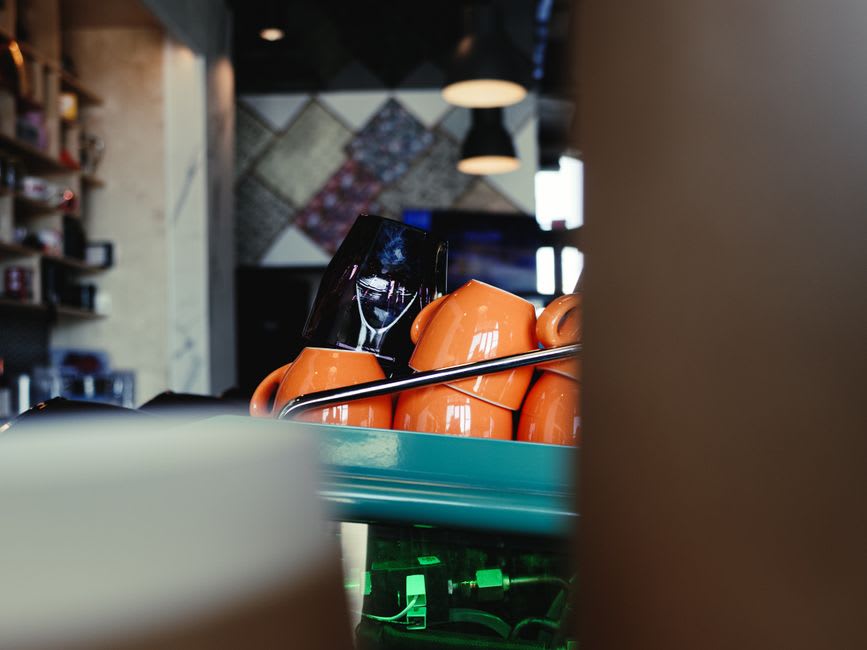
The classic mistake is treating a café like a shop and wiring it with a few general sockets. Do that and the installation trips the moment the morning rush hits, because the load was never designed for what a coffee bar actually draws. A proper café fit-out designs the electrics around the equipment list from the start, spreading the heavy items across dedicated circuits so nothing is fighting for capacity. It is the same discipline as any commercial fit-out, with the coffee bar’s specific demands driving the design.
Powering the Coffee Bar
The coffee bar is where the electrical design lives or dies. A commercial espresso machine typically draws around 3kW, and a larger multi-group machine considerably more, so it needs a dedicated circuit rated to its load - not a socket shared with anything else. The grinder, the water boiler or filter tap, and the fridges each need their own supply too, positioned so the counter works for the baristas rather than against them.
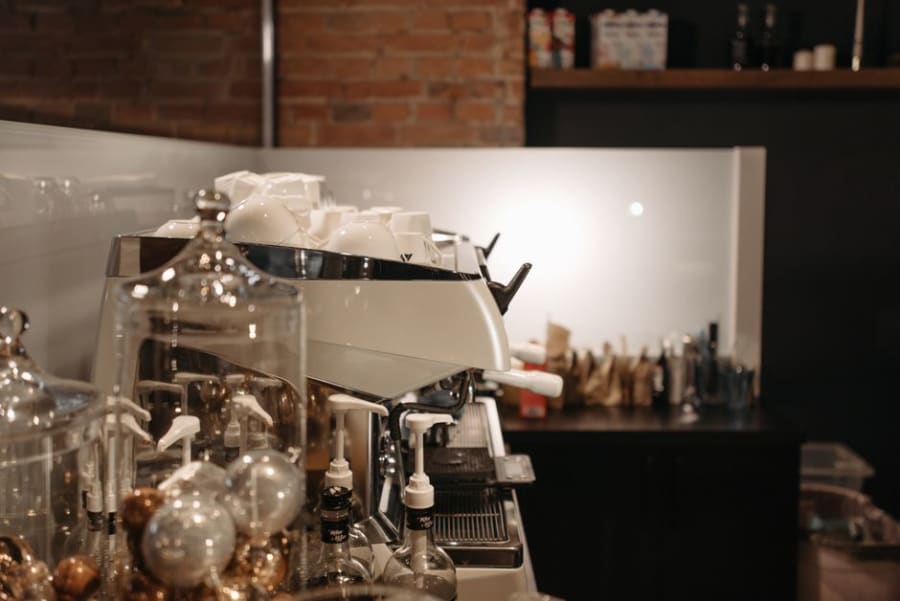
Socket placement on the backbar matters as much as circuit design. Sockets need to be where the equipment sits, at the right height, and enough of them that nobody is unplugging the grinder to run the blender. This is planned before the counter is built, because moving power after the joinery is in is expensive and messy. Getting the coffee bar right is the single most important part of a café’s commercial wiring, and it is worth spending the design time on it.
Refrigeration, Prep and Kitchen Equipment
Beyond the coffee, most Bristol cafés run a food offer, and that brings more electrical load. Under-counter and display fridges run constantly and are best on their own circuits so a trip elsewhere does not quietly defrost your stock overnight. If there is a kitchen - even a small one for brunch or cakes - ovens, microwaves, toasters and a dishwasher all add demand, and the heavier items may need dedicated circuits of their own.
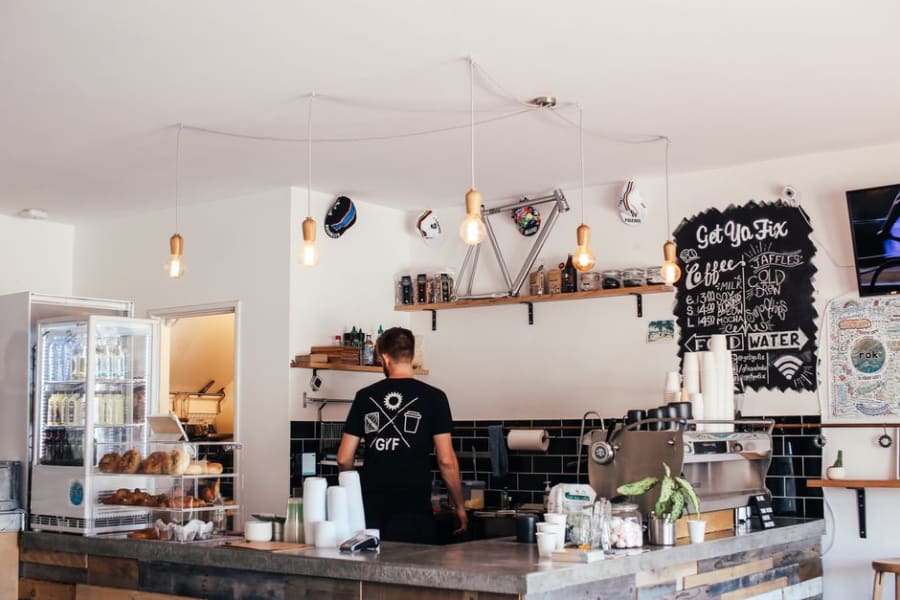
For a café with a genuine kitchen, the requirements start to overlap with a full food premises, and it is worth reading our guide to the electrical requirements for a restaurant kitchen fit-out in Bristol alongside this one. The principle is the same throughout: know every piece of equipment and its load before the wiring is designed, so the installation is built for the real kitchen, not a guess.
Lighting and Ambience
Lighting is where a café earns its atmosphere, and in Bristol’s competitive coffee scene atmosphere sells. The lighting has to do several things at once: warm, inviting ambient light for the room, brighter task lighting at the counter so staff can work and the menu is readable, and accent lighting that gives the place its character. A café that photographs well gets shared, and that is free marketing, so the lighting design genuinely matters commercially.
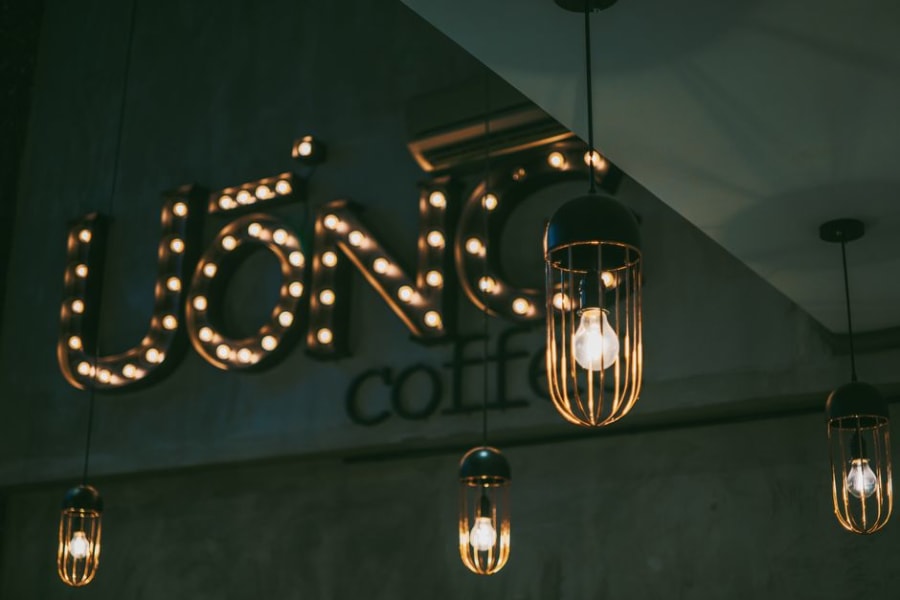
Modern LED does all of this efficiently and keeps running costs down, which matters when the lights are on every hour you are open. Dimming and zoning let you shift the feel from bright morning café to softer evening space if you trade late. Our commercial lighting service handles café lighting design across Bristol, balancing the warm, characterful look owners want with the practical light levels the counter needs.
Seating, Sockets and Customer Power
Bristol has a huge population of remote workers, students and freelancers who treat a good café as an office, and power is part of what keeps them there and spending. Sockets and USB points at or near seating have quietly become an expectation, not a luxury, especially in cafés around the universities and the creative quarters. Building them in during the fit-out is cheap; retrofitting them into finished walls and floors is not.

The trick is planning where customer power goes so it is useful without trailing leads across walkways or turning your café into a co-working space that never buys a second coffee. A few well-placed sockets and USB outlets at bench seating and along walls, designed in from the start, hit the balance. It is a small detail that regular customers notice and that costs very little to get right at first fix.
Safety, RCD and Certification
A café combines water, electricity and the public, so safety is not optional. The coffee bar, sinks, dishwasher and any prep area put water near electrical equipment, and every circuit in those zones needs proper RCD protection against electric shock, with correctly rated and located accessories. The Electrical Safety First guidance on electricity around water is a good reminder of why this is designed in rather than added on.

All the work has to meet the current wiring regulations and be certified, giving you the paperwork your insurers and any future EICR will want. As an employer running a premises the public use, you also carry duties under the Health and Safety Executive’s electrical safety rules and, separately, under fire safety law - the government’s workplace fire safety guidance sets those out. Getting all of this right at fit-out is far cheaper than being pulled up on it once you are open and trading.
Planning Your Bristol Café Electrical Fit-Out
The best café fit-outs plan the electrics first and phase them with everything else. First fix - running cables and back boxes - happens before walls are plastered and the counter is built; second fix - fitting sockets, connecting equipment and commissioning - comes near the end. Because so much of a café’s electrics is tied to fixed joinery and equipment positions, the design has to be settled before the building work starts, or you end up paying to move things.
If you are leasing your unit, the fit-out will almost certainly need your landlord’s consent, which we cover in our guide to who pays for electrical work in a commercial lease. On a Bristol high street where every week closed is lost trade, a fit-out planned properly around your opening date is worth far more than the cheapest quote. Whether you are opening a new spot on North Street or refitting a unit in Clifton, start with an electrician surveying the space and your equipment list, and the rest of the fit-out runs to plan.
Frequently Asked Questions
Does an espresso machine need its own electrical circuit?
Usually, yes. A commercial espresso machine can draw 3kW or more, and a two or three-group machine even higher, so it needs a dedicated circuit sized to its load rather than sharing with other equipment. Put it on a shared circuit with the grinder and a fridge and you will trip the moment the café gets busy. Proper café electrical design puts the heavy equipment on its own protected circuits.
How much does a café electrical fit-out cost in Bristol?
It depends on the size, whether it is a first fit or a refurbishment of existing wiring, and the equipment. A small coffee shop with a compact counter is far less than a larger café with a full kitchen, multiple fridges and lots of seating. The reliable way to price it is a survey against your equipment list and layout - a phone estimate cannot account for the specifics.
Do café backbar and prep areas need RCD protection?
Yes. Anywhere water and electricity are close together - the coffee bar, sinks, dishwashers, prep areas - needs proper RCD protection to guard against electric shock, along with correctly rated and located accessories. This is a core safety requirement in a hospitality space and one a commercial electrician designs in from the start.
How long does a coffee shop electrical fit-out take?
It is usually phased with the rest of the fit-out - first fix (cables and back boxes) before plastering and decoration, second fix (sockets, connecting equipment, commissioning) near the end. A small café is quicker than a larger one with a kitchen. The key is planning it around your opening date so the electrical work never becomes the thing holding the launch up.
Get a free quote from Bristol Commercial Electricians for a café or coffee shop electrical fit-out anywhere in Bristol.