
15 July 2026
Electrical Requirements for a Gym or Fitness Studio Fit-Out in Bristol
A gym looks like an open room full of equipment, but electrically it is one of the more demanding commercial fit-outs going. Bristol’s fitness scene is booming - from the big-box gyms and industrial-unit strength gyms around St Philip’s and Avonmouth to the boutique studios of Clifton, Gloucester Road and Bedminster - and every one of them runs a heavy, sustained electrical load for long hours. Banks of treadmills, serious ventilation and air conditioning, sound systems, screens, bright lighting and hot showers all draw power at once, often from early morning to late evening. Get the electrical design right at fit-out and the place runs cool, bright and reliable. Get it wrong and you are tripping breakers during a peak class or leaving members sweating in poor air. Here is what a gym electrical fit-out in Bristol actually involves.
Why a Gym Fit-Out Is a Heavy Electrical Job
The mistake people make is assuming a gym is a simple space - big room, some machines, done. In reality the combined load is substantial and, just as important, sustained. Unlike a shop where demand comes and goes, a gym runs its cardio floor, ventilation, cooling, lighting and sound hard for most of the day, every day. That continuous demand is what the installation has to be designed for, not a peak-and-idle pattern.
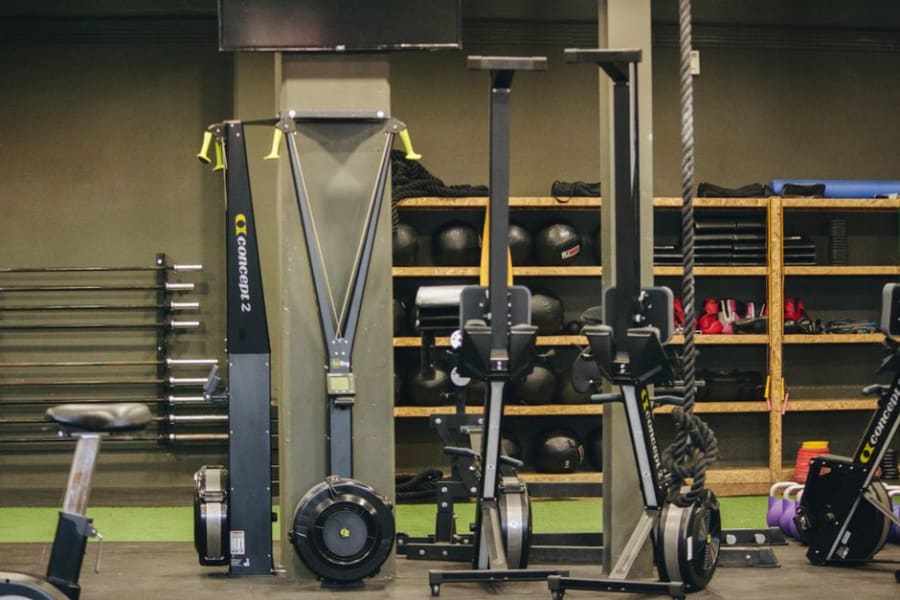
Add up a bank of treadmills and cross-trainers, an air conditioning and ventilation system working overtime, water heating for showers, sound across multiple zones, screens and lighting, and you have a building drawing serious power throughout opening hours. This needs an installation designed around the real equipment and how the gym operates, spreading the load properly across circuits, which is the same discipline behind any well-planned commercial wiring project but with a gym’s specific, heavy demands driving it.
Powering Cardio and Equipment
The cardio floor is usually the single biggest equipment load in a gym. Treadmills in particular draw a meaningful amount of power each, and a full bank of them running during a busy period adds up fast. Those machines have to be spread across circuits sized for the demand, not clustered on a handful of sockets that will trip the moment the gym fills up. Where machines sit and where the power comes up through the floor has to be planned against the equipment layout before anything is installed.
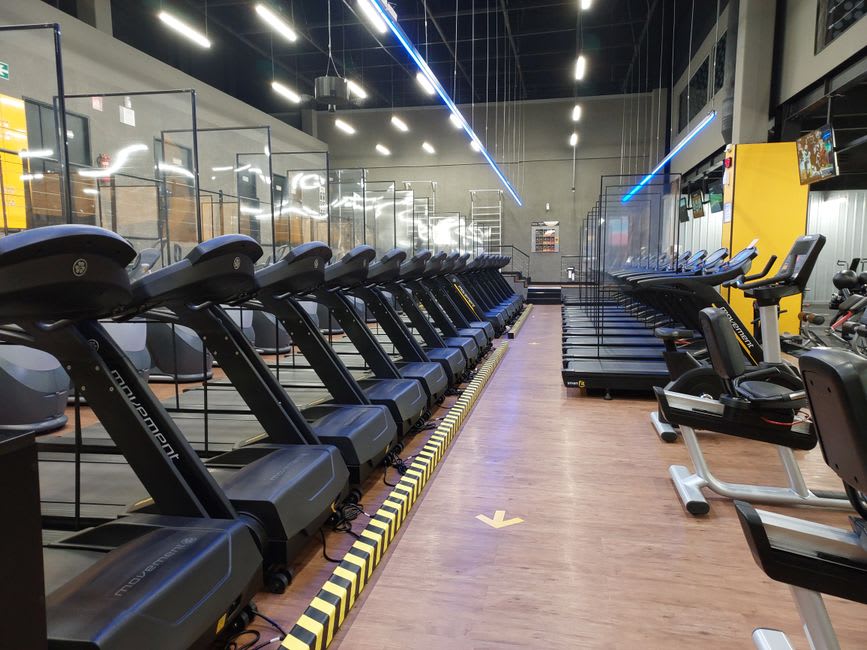
Strength and functional areas add their own requirements - cable machines, powered equipment, and increasingly connected kit that needs both power and data. The principle throughout is the same: know every machine and its load, then design the circuits and socket positions around them. Retrofitting power to a treadmill bank after the floor is down and the mirrors are up is exactly the kind of expensive rework a proper design avoids.
Ventilation, Air Conditioning and Climate
If there is one thing gym members notice instantly, it is bad air, and ventilation and cooling are heavy electrical loads that deserve serious attention at fit-out. A busy gym is full of people and machines generating heat, moisture and carbon dioxide, and the systems that deal with that - air handling, extraction, air conditioning - are among the largest power draws in the building. They often need their own dedicated supply and careful design so they can run continuously without struggling.
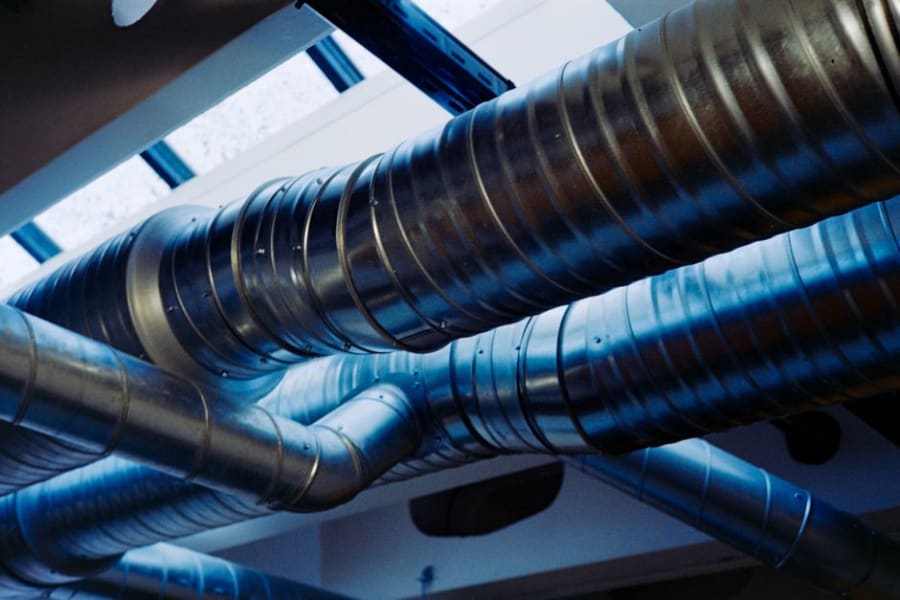
Under-specifying climate control is one of the most common gym fit-out failures, and it is miserable to fix later because the plant and the electrical supply feeding it are baked into the building. Studios running hot yoga or spin, where humidity and heat are extreme, push these demands even higher. Designing the electrical capacity for the ventilation and cooling from the start, with room to cope on the busiest evening, is what keeps a Bristol gym comfortable year-round.
Lighting for a Gym or Studio
Gym lighting has to do two jobs, and the balance differs by space. On the main training floor it needs to be bright, even and functional so people can train safely and see what they are doing, with no harsh glare off mirrors or dark corners in the free-weights area. In studios - spin, yoga, classes - lighting is part of the experience, often dimmable and coloured to set the mood for a session, then bright again for cleaning and setup.

Modern LED handles both efficiently, which matters when the lights are on all day, and it runs cool rather than adding to the heat load. Emergency lighting to cover escape routes is a legal requirement, not an optional extra, across the whole premises. Our commercial lighting service designs gym and studio lighting across Bristol, balancing the bright, safe levels the training floor needs with the atmosphere a class studio sells on.
Sound, Screens and Member Tech
Music and technology are part of the modern gym, and they all need power and cabling designed in. A multi-zone sound system so the spin studio and the main floor can play different things, screens for class timetables, virtual classes or entertainment on the cardio kit, and the network infrastructure behind app check-ins and connected equipment all have to be planned rather than added on afterwards with trailing leads.

Member-facing power matters too - charging points and sockets where people expect them, and reliable wifi backbone cabling for the increasingly connected kit gyms run. None of this is heavy load compared with the cardio and climate systems, but it is fiddly to retrofit and easy to forget at design stage. Building the data and power routes for sound, screens and tech into the first fix keeps the finished gym tidy and flexible.
Changing Rooms, Showers and Water Safety
Changing rooms and showers bring water and electricity together, so this is where safety design is non-negotiable. Every circuit in wet and shower areas needs proper RCD protection against electric shock, with correctly rated and suitably located accessories designed for a humid environment. Water heating for showers is also a significant electrical load in its own right, especially in a busy gym where hot water demand peaks after classes.

Hand dryers, lockers with powered features, and lighting in these areas all have to be specified for the conditions. The Electrical Safety First guidance on electricity around water is a useful reminder of why this is designed in from first fix rather than added later. Cutting corners in wet areas is both dangerous and exactly the sort of thing an inspection or insurer will flag, so it is the last place to save money.
Safety, Certification and Planning Your Bristol Gym Fit-Out
However good the design, the whole installation has to be safe, certified and planned. All the work must meet the current wiring regulations and be certified so you have the paperwork for insurers and any future EICR, and as an employer running premises the public use you carry duties under the Health and Safety Executive’s electrical safety rules and separately under workplace fire safety law. Getting all of this right at fit-out is far cheaper than being pulled up on it once you are open.

The best gym fit-outs plan the electrics first and phase them with the build - first fix before floors and finishes, second fix near the end - because so much power and cabling is tied to fixed equipment positions. If you are leasing the unit, the fit-out will need landlord consent, which we cover in our guide to who pays for electrical work in a commercial lease. Whether you are opening a strength gym in an Avonmouth unit or a boutique studio in Clifton, start with an electrician surveying the space and your equipment schedule, and the rest of the fit-out runs to plan.
Frequently Asked Questions
Do gym treadmills and cardio machines need dedicated circuits?
A bank of cardio equipment draws a serious, sustained load when it is all in use, so the machines need to be spread across circuits sized for that demand rather than piled onto a few general sockets. The exact arrangement depends on the number and type of machines, which is why a gym fit-out starts with an electrical design based on your equipment list rather than a standard install.
Why does a gym need so much ventilation and air conditioning power?
A busy gym generates a lot of heat and humidity from people and machines, so it needs substantial ventilation and cooling to stay comfortable and safe. Those systems are among the heaviest electrical loads in the building and often need their own dedicated supply. Under-specifying ventilation is one of the most common and most uncomfortable mistakes in a gym fit-out.
Do gym changing rooms and showers need special electrical protection?
Yes. Anywhere water and electricity are close together - showers, changing rooms, wet areas - needs proper RCD protection and correctly rated, suitably located accessories to guard against electric shock. Water heating for showers is also a significant load. This is a core safety requirement designed in from the start by a commercial electrician.
How much does a gym electrical fit-out cost in Bristol?
It depends heavily on size and equipment - a small boutique studio is far less than a large multi-zone gym with banks of cardio, air conditioning, showers and sound. Because the load and layout drive everything, the only reliable way to price it is a survey against your equipment schedule and floor plan. A phone estimate cannot account for the specifics.
Get a free quote from Bristol Commercial Electricians for a gym or fitness studio electrical fit-out anywhere in Bristol.