
15 July 2026
Electrical Requirements for a Hair Salon, Barber or Beauty Studio Fit-Out in Bristol
Bristol is packed with independent salons, barbers and beauty studios - Gloucester Road, Park Street, North Street in Bedminster, Whiteladies Road and the lanes of Clifton are full of them - and every one of them runs on electrics that work far harder than a normal shop’s. A styling floor full of dryers and straighteners, backwash units sitting inches from water, treatment rooms with their own kit, and lighting that has to make both the space and the client look right: it all adds up to an electrical load and a set of safety requirements that catch out anyone treating a salon like an ordinary retail unit. Get the electrical design right at fit-out and the place runs smoothly for years. Get it wrong and you are tripping breakers on a busy Saturday. Here is what a salon electrical fit-out in Bristol actually involves.
Why Salon Electrics Are More Demanding Than They Look
A hair salon looks like a simple space, but electrically it is one of the more demanding small commercial fit-outs. The reason is simultaneous load: on a busy afternoon every styling station might be running a hair dryer, and dryers, straighteners and tongs are power-hungry appliances. Several drawing at once puts a heavy, sustained demand on the installation that a handful of sockets on a single circuit cannot handle without tripping.
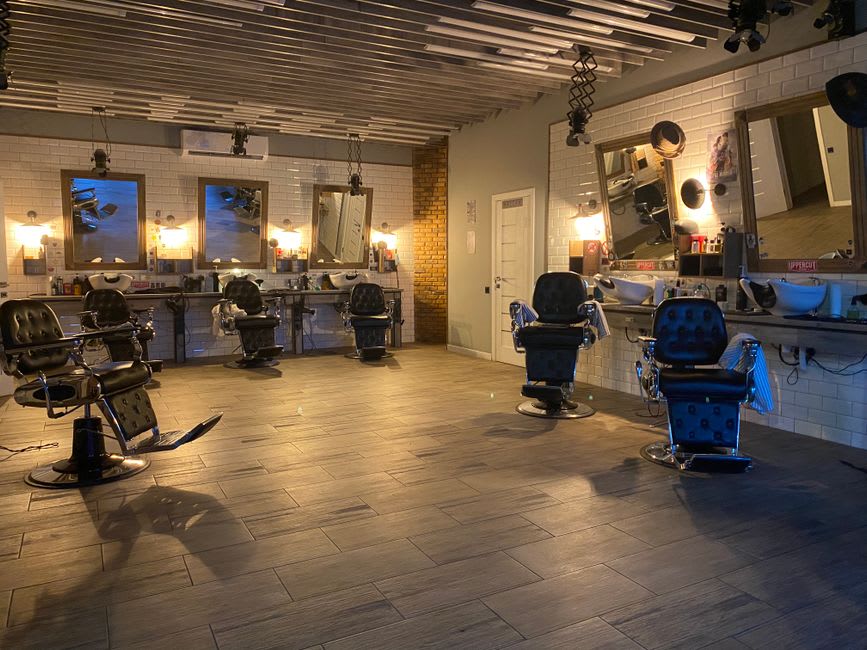
On top of that you have water and electricity in close proximity at the backwash units, heat and humidity, and long opening hours that run everything hard. This is not a space you wire like a clothes shop. It needs an installation designed around how a salon actually works, with the load spread properly and safety built in - the kind of thinking that goes into any well-planned commercial fit-out, but with the salon’s specific demands on top.
Powering Styling Stations and Dryers
Styling stations are the heart of the electrical design. Each one needs enough power and enough well-placed sockets to run its equipment without stylists trailing extension leads across the floor, which is both a trip hazard and a sign of an under-designed installation. Because dryers pull hard and several run at once, the stations need to be spread across dedicated circuits so the load is balanced rather than piled onto one, which is what causes the classic Saturday-afternoon trip.
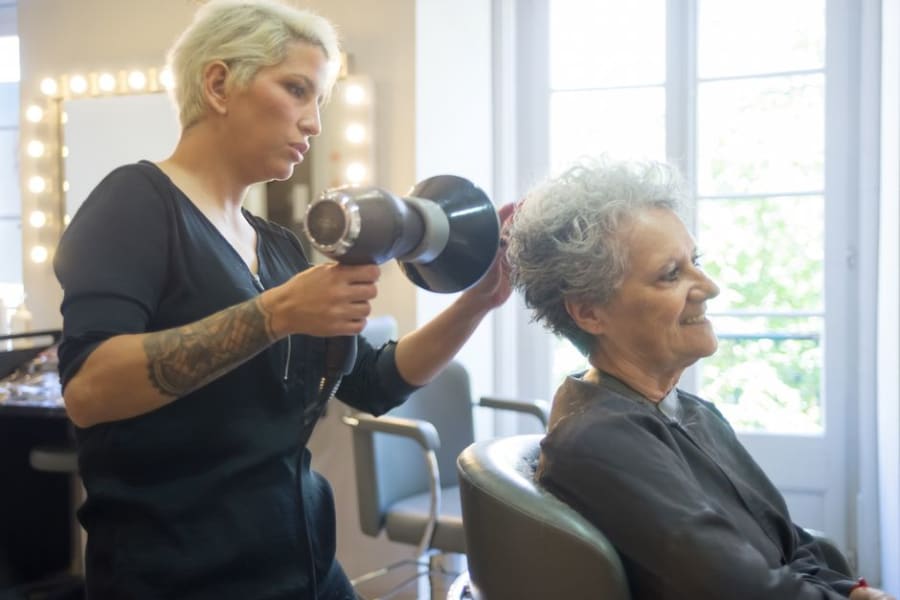
Socket placement matters as much as circuit design. Sockets at the right height beside each mirror, positioned so leads reach the chair without stretching, make the difference between a floor that works and one that frustrates the team every day. Planning this properly means thinking about the layout before the wiring goes in, which is why the electrical design and the salon design have to happen together, not one after the other.
Backwash Units, Water and RCD Protection
This is the part that separates a proper salon electrician from a general one. Backwash basins put water and electricity together, and that demands proper protection. Every circuit in that zone needs RCD protection to guard against electric shock, water heaters need to be correctly rated and wired, and any accessories nearby have to be suitably located and rated for the environment. This is a genuine safety issue, not a box-ticking exercise.

The same care applies anywhere water features - kitchenettes, treatment areas, nail stations with soaking. The Electrical Safety First guidance on electricity around water is a good reminder of why this matters. An experienced commercial electrician designs the protection in from the first fix, positioning and rating everything for a wet, humid, hard-working environment. Cutting corners here is not just non-compliant, it is dangerous, and it is exactly the sort of thing a later inspection or insurer will pick up.
Lighting a Salon
Lighting in a salon does two jobs, and both matter commercially. It has to make the space feel right - warm, welcoming, on-brand - and it has to show hair and skin colour accurately so a client sees a true result at the mirror and the stylist can work precisely. Poor lighting that casts shadows or throws a colour tint is a real problem in a business built on how people look.
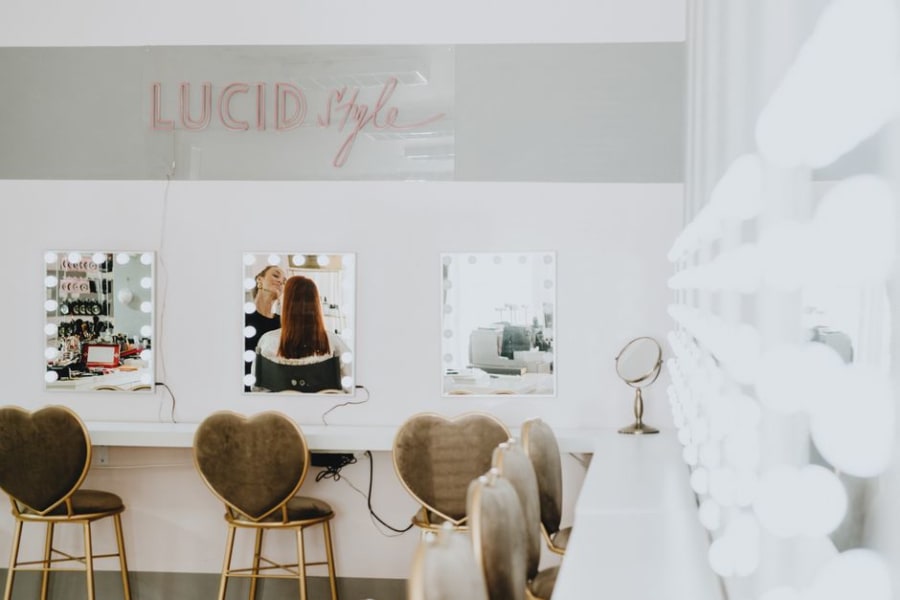
That means a considered mix: good, even task lighting at each styling station and mirror, with a high colour rendering quality so colours look true, plus softer ambient lighting for the overall feel. Modern LED does all of this efficiently and stays cool, which matters in a space that is already warm. Our commercial lighting service handles salon lighting design across Bristol, and getting it right lifts both the client experience and the quality of the work on show.
Ventilation, Heating and Treatment Rooms
Salons and beauty studios generate heat, moisture and, in nail and beauty work, chemical fumes, so ventilation and heating are part of the electrical picture. Extraction and ventilation systems need their own supply, and nail bars and treatment rooms in particular often need dedicated extraction to deal with fumes and keep the space comfortable and compliant. Heating has to keep clients warm during longer treatments without fighting the ventilation.
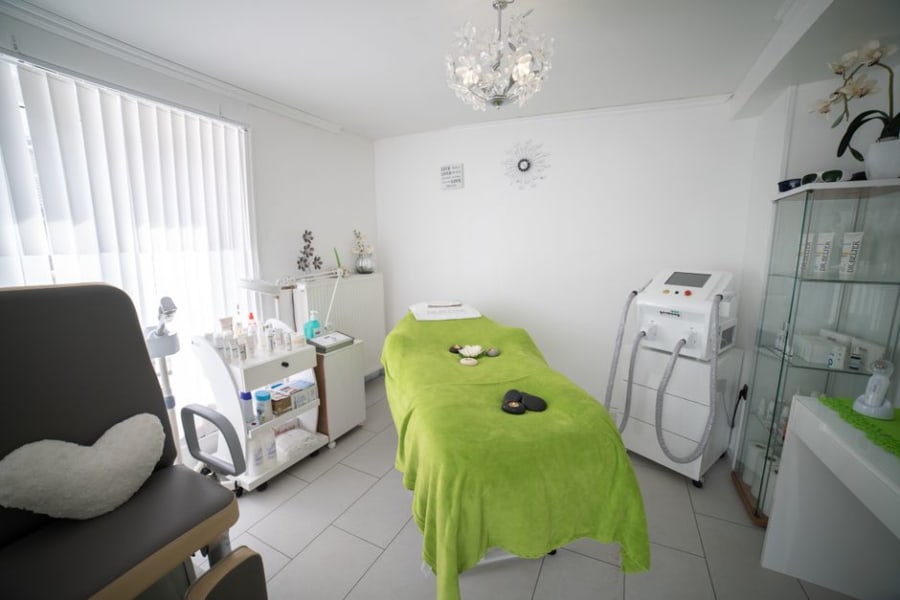
Treatment rooms bring their own requirements - equipment for various treatments, comfortable controllable lighting, and reliable power that does not trip mid-appointment. Beauty and aesthetics kit can be surprisingly power-hungry and sensitive, so those rooms are worth designing carefully rather than treating as spare space with a socket. The National Hair & Beauty Federation, the sector’s trade body, is a useful source on running a compliant salon or studio across all these areas.
Safety, Certification and Landlord Consent
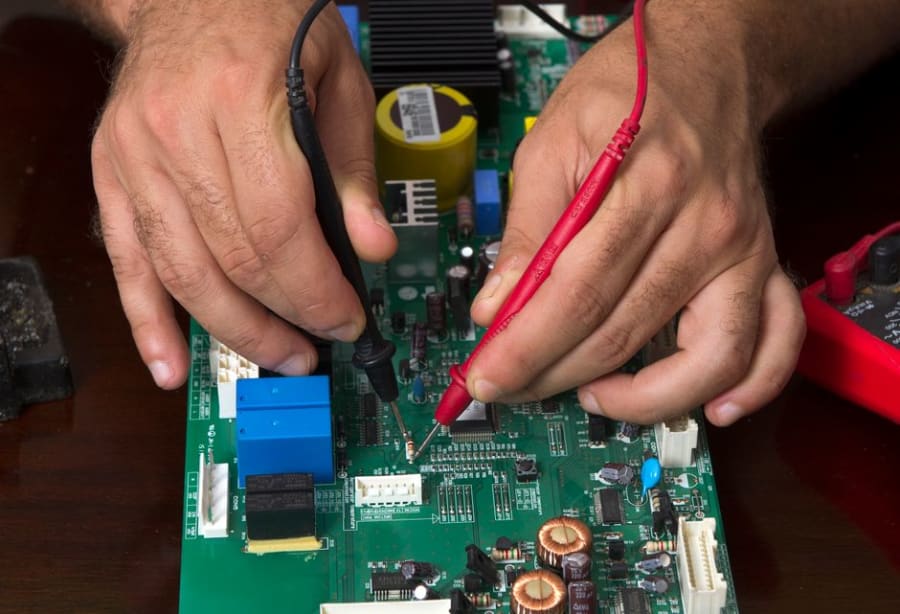
However good the design, it has to be safe, certified and permitted. All the work needs to meet the current wiring regulations, with RCD protection where required, and it must be certified so you have the paperwork for your insurers and for any future inspection. As an employer you also carry a duty to keep the electrical installation safe under the Health and Safety Executive’s electrical safety rules, and an EICR down the line will check exactly this, so getting it right at fit-out saves grief later.
If you are leasing your Bristol unit - and most salons do - the fit-out almost certainly needs your landlord’s written consent for the alterations, and undocumented or non-compliant work becomes a problem at the end of the lease. We cover that side in detail in our guide to who pays for electrical work in a commercial lease, which is worth reading before you start. The safe route is simple: proper design, competent certified installation, and consent sorted before the first cable goes in.
Planning Your Bristol Salon Electrical Fit-Out
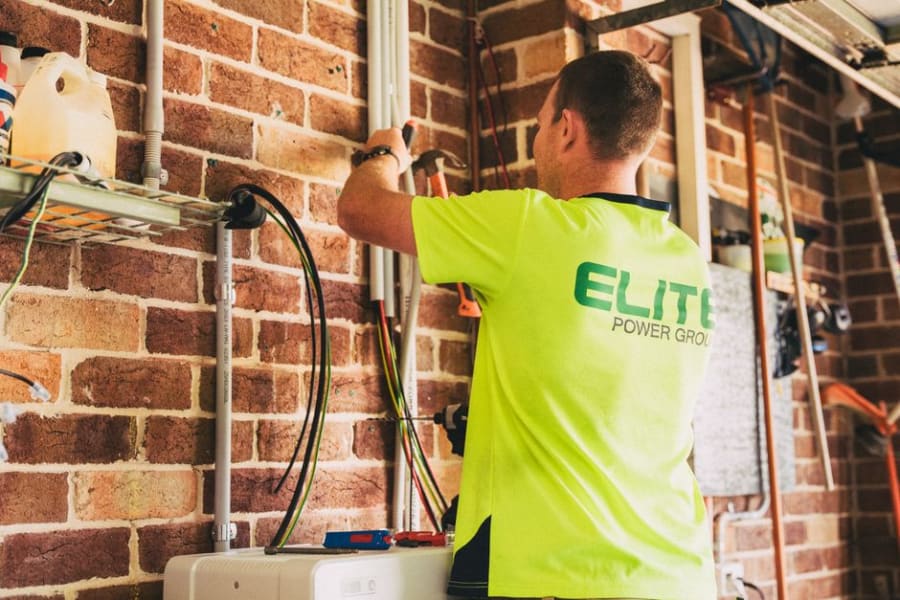
The best salon fit-outs plan the electrics early and phase them with everything else. Electrical first fix - running the cables and back boxes - happens before walls are plastered and decorated, and second fix - fitting sockets, connecting equipment and commissioning - comes near the end. Trying to add circuits or move stations after the decoration is done is expensive and messy, so the design has to be settled before the building work starts.
That is why a salon fit-out should begin with an electrician surveying the unit and working through your layout, equipment and opening date. On a Bristol high street where every week closed is lost revenue, a fit-out planned properly around your opening is worth far more than the cheapest quote. Whether you are opening a new studio on North Street or refitting an established salon in Clifton, getting the electrical design right first is what makes the rest run to plan.
Frequently Asked Questions
How many circuits does a hair salon need?
More than most people expect. Styling stations each need power for dryers, straighteners and tongs that draw heavily when used together, so dedicated circuits and plenty of well-placed sockets are essential rather than a few double sockets on one ring. Backwash units, water heating, lighting, ventilation and treatment rooms typically need their own circuits too. The exact number comes from the layout and equipment, which is why a salon fit-out starts with a proper electrical design.
Do salon backwash units need special electrical protection?
Yes. Anywhere water and electricity are close together - backwash basins, water heaters, treatment areas - needs proper RCD protection and correctly rated, suitably located accessories to protect against electric shock. This is a core safety requirement and one an experienced commercial electrician designs in from the start, not an afterthought.
Do I need landlord consent for salon electrical work in a leased Bristol unit?
Almost certainly. Most commercial leases require the landlord’s written consent for alterations, and a salon fit-out - new circuits, lighting, backwash wiring - counts. The work also needs to be done by a competent electrician and properly certified, both for safety and so it does not cause problems at the end of the lease. Sort consent before work starts.
How long does a salon electrical fit-out take in Bristol?
It depends on the size and whether it is a first fit or a refurbishment of existing wiring. A small barber shop is quicker than a multi-station salon with treatment rooms. The electrical work is usually phased with the rest of the fit-out - first fix before plastering and decoration, second fix near the end - so it needs planning around your opening date. A survey gives an accurate programme.
Get a free quote from Bristol Commercial Electricians for a hair salon, barber or beauty studio electrical fit-out anywhere in Bristol.