
14 August 2026
Electrical Work for Hotels, Guest Houses and B&Bs in Bristol
Running guest accommodation in Bristol - whether a Harbourside hotel, a Clifton townhouse B&B or a guest house near the city centre - puts you in one of the most heavily regulated categories of commercial electrical work there is. The reason is simple: your guests sleep on the premises, often people who do not know the building, and that raises the bar for fire safety, emergency lighting and the reliability of the whole installation. A hotel or B&B is also a demanding electrical environment in its own right, with guest rooms, bathrooms, catering, heating and public areas all drawing power around the clock. This guide covers what electrical work involves for a Bristol hotel, guest house or B&B, with the compliance that sleeping accommodation specifically requires.
Why Guest Accommodation Has Stricter Electrical Requirements
The defining feature of a hotel or B&B, electrically, is sleeping risk. People asleep in a building take longer to become aware of a fire and may be unfamiliar with the layout, so the systems that detect a fire and light the way out have to be more extensive than in premises people only visit while awake. That single fact shapes the fire alarm, the emergency lighting and much of the compliance around a guest accommodation installation.
On top of that, a hotel runs continuously and to a standard guests expect - reliable power and hot water, working lighting, comfortable rooms - so the installation has to be both safe and dependable. It is a genuinely demanding piece of commercial wiring, combining public-safety obligations with the round-the-clock reliability of a business that never really closes. Getting it right protects your guests, your licence to operate and your reputation.
Fire Alarm Systems for Sleeping Risk
Fire detection is where guest accommodation differs most from other commercial premises. Because people sleep on site, the fire alarm has to give the earliest possible warning throughout the building - interlinked detection in bedrooms, corridors, stairways and public areas, so a fire anywhere raises the alarm everywhere and wakes guests in time to escape. This is a life-protection system, and for sleeping accommodation it is typically a more demanding category than a shop or office would need.
The precise specification comes from the building’s fire risk assessment, carried out under the Regulatory Reform (Fire Safety) Order 2005, which places the duty on the responsible person to provide suitable fire detection and warning. Our guide to commercial fire alarm systems and their categories explains how the system types work. For a hotel or B&B, this is not an area to economise - it is the single most important electrical system in the building, and it is heavily scrutinised.
Emergency Lighting and Escape Routes
If the power fails during a fire, guests who do not know the building need to find their way out in the dark, and that is what emergency lighting is for. Corridors, staircases, exits and the routes guests take to leave must have emergency lighting that comes on automatically when the normal supply is lost, guiding people to safety. In a multi-storey Bristol townhouse conversion, common in Clifton and the surrounding areas, those staircases and landings are exactly where clear escape lighting matters most.
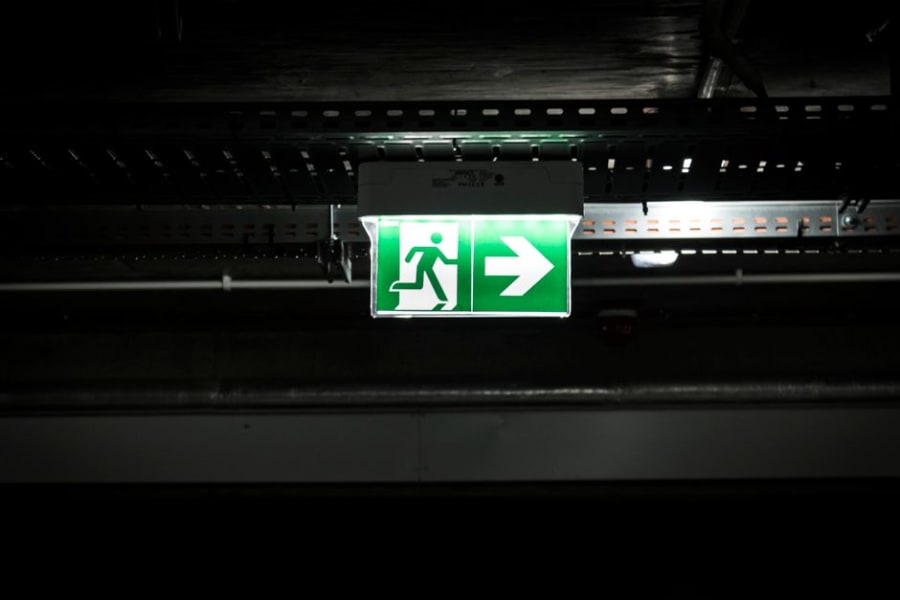
Emergency lighting is a legal requirement tied to the fire risk assessment, and it has to be installed to standard and tested regularly - brief monthly checks and an annual full-duration test - to prove it will work when needed. We cover the testing side in our guide to emergency lighting and fire alarm testing. For guest accommodation, reliable emergency lighting on every escape route is not optional detail; it is core life-safety provision.
Guest Room Power and Comfort
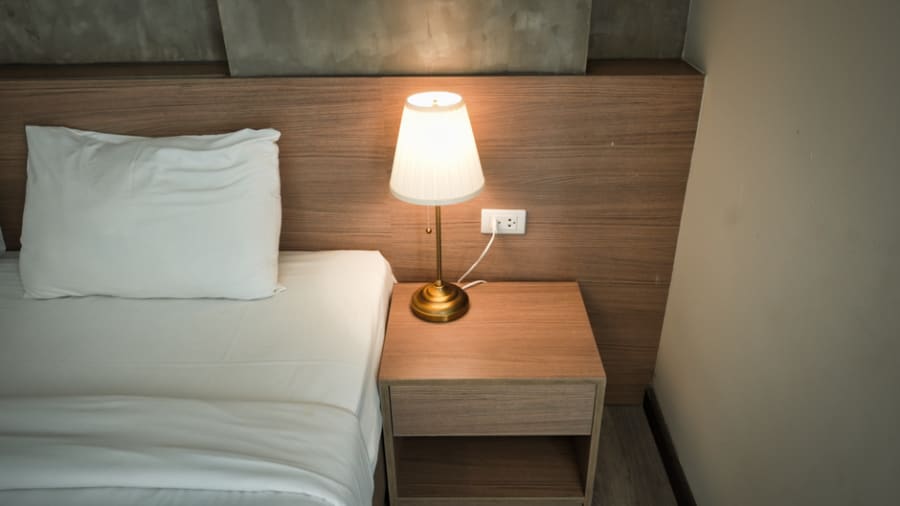
Beyond the safety systems, guest rooms have to deliver the experience visitors expect, and that is increasingly power-hungry. Guests want enough well-placed sockets and USB charging points beside the bed and desk, reliable lighting they can control, and often a TV, kettle, hairdryer and heating - all of which draw power and all of which need to be safe and properly circuited. Bedside switching, good task and ambient lighting, and enough charging points have quietly become expectations rather than luxuries.
Bathrooms bring their own requirements: water and electricity together mean shaver sockets, correctly rated and located fittings, and proper protection are essential, designed to the standards that govern rooms containing a bath or shower. Getting guest room electrics right is a blend of comfort and safety - the room has to feel modern and convenient while every circuit is protected and compliant. Designed well, it is invisible to the guest and completely safe, which is exactly the point.
Bar, Kitchen and Back of House
Most hotels and many guest houses serve food and drink, which adds a commercial catering and hospitality load on top of the accommodation side. A breakfast kitchen, a bar or a restaurant brings ovens, fridges, dishwashers, coffee machines and dispense, each needing dedicated circuits and proper protection in the same way any restaurant kitchen fit-out does. Laundry facilities, common in hotels, add heavy loads from commercial washers and dryers that need designing in.

Back of house - housekeeping, offices, plant, heating and hot water systems - completes the picture, and all of it has to run reliably alongside the guest-facing areas. The result is a building with several distinct electrical demands under one roof, which is why hotel and guest house work rewards an electrician who can see the whole picture and design the installation to carry all of it safely and dependably.
EICR, PAT and Ongoing Compliance
Guest accommodation carries an ongoing compliance burden that goes beyond the initial installation. The fixed wiring needs periodic inspection through an EICR at regular intervals, and portable appliance testing keeps the kettles, TVs, hairdryers and other guest-room equipment safe - both are things insurers and, where relevant, licensing expect to see documented. The duty to keep the electrical installation safe under the Health and Safety Executive’s electrical safety rules applies throughout.
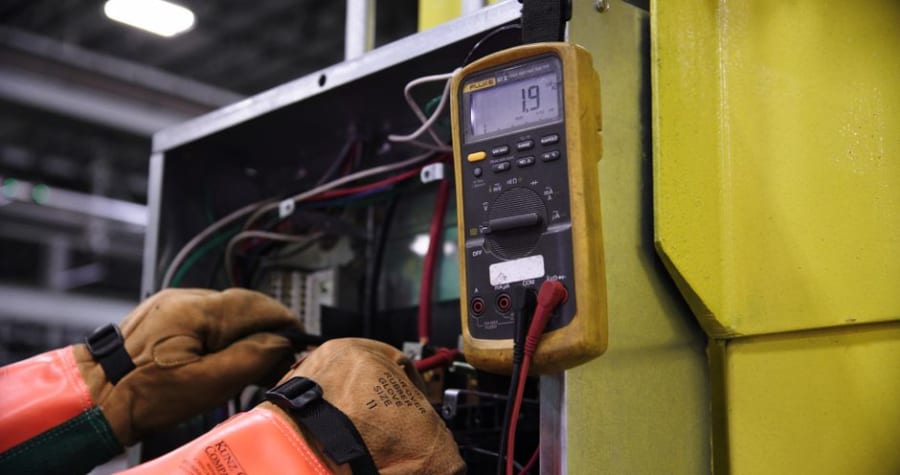
Because a hotel is a public, sleeping-risk premises trading continuously, keeping this paperwork current is not box-ticking - it is what demonstrates the place is safe and protects you if anything ever goes wrong. Our guide to EICR certificates for Bristol commercial properties sets out what the inspection covers. A maintenance arrangement that keeps the fire alarm, emergency lighting, EICR and PAT all on schedule is the simplest way to stay on top of it.
Planning Electrical Work for a Bristol Hotel or B&B
The challenge with electrical work in guest accommodation is doing it without disrupting a business that trades every day and night. The answer is planning: work is phased room by room or floor by floor, scheduled around occupancy and quieter periods, with particular care that fire detection and emergency lighting cover is never fully lost during the work. A good electrician builds the programme around your bookings rather than forcing a closure.

Whether you are fitting out a new guest house, refurbishing rooms, or bringing an older Bristol hotel’s systems up to standard, the starting point is a survey that looks at the whole installation - the safety systems first, then the guest and back-of-house areas - against how the business runs. The Electrical Safety First guidance is a useful backdrop, but the plan has to fit your building and your trade. We are happy to survey a Bristol hotel, guest house or B&B and set out the electrical work plainly, phased so you keep your doors open.
Frequently Asked Questions
What fire alarm system does a Bristol B&B or hotel need?
Guest accommodation is a sleeping-risk premises, so it needs a fire alarm system designed to protect life, usually a higher-category system covering the whole building with interlinked detection in bedrooms, corridors and escape routes. The exact category comes from the fire risk assessment, but sleeping accommodation always demands more thorough detection than a shop or office. It must be properly installed, tested and maintained.
Do hotel and guest house bedrooms need emergency lighting?
Emergency lighting is required on escape routes - corridors, staircases and exits - so that guests unfamiliar with the building can get out safely if the power fails during a fire. Individual bedrooms are treated differently from escape routes, but the circulation areas guests use to leave must be covered. The fire risk assessment sets the detail, and it has to be tested regularly.
How often does a hotel or B&B need an EICR?
The fixed wiring should have a periodic inspection (an EICR) at regular intervals - commonly every five years for this kind of premises, though a busy hotel with heavy use may benefit from more frequent checks. Portable appliance testing of items like kettles, TVs and hairdryers in guest rooms is also part of keeping the place safe and satisfying insurers. Regular inspection is expected for premises the public sleep in.
Can electrical work be done in a hotel without closing?
Often, yes, with planning. Work can usually be phased room by room or floor by floor, and scheduled around occupancy and quieter periods so the business keeps trading. Fire alarm and emergency lighting work needs particular care so cover is never fully lost. A good electrician plans the programme around your bookings rather than forcing a shutdown.
Get a free quote from Bristol Commercial Electricians for electrical work on a hotel, guest house or B&B anywhere in Bristol.