
15 July 2026
Understanding Your Commercial EICR: What C1, C2, C3 and FI Codes Mean for Your Bristol Business
Getting a commercial EICR back covered in codes is unsettling if you do not know what they mean - a page of C2s and FIs can look alarming when all you wanted was a certificate. The good news is that the coding system is straightforward once it is explained, and knowing what each code means tells you exactly how urgent each item is and what you need to do. An Electrical Installation Condition Report grades the state of your fixed wiring, and the codes are how the inspecting electrician flags anything that falls short of the current standard. This guide explains what C1, C2, C3 and FI actually mean, what makes a report satisfactory or unsatisfactory, and what to do when your Bristol business’s EICR comes back as a fail.
What an EICR Actually Is
An EICR is a formal inspection and test of the fixed electrical installation - the wiring, distribution board, circuits and accessories - carried out by a qualified electrician against the current wiring regulations. It is the health check for your electrics, and for most commercial premises it is done at least every five years, or sooner for demanding environments. Our guide to EICR certificates for Bristol commercial properties covers the why and when in full.
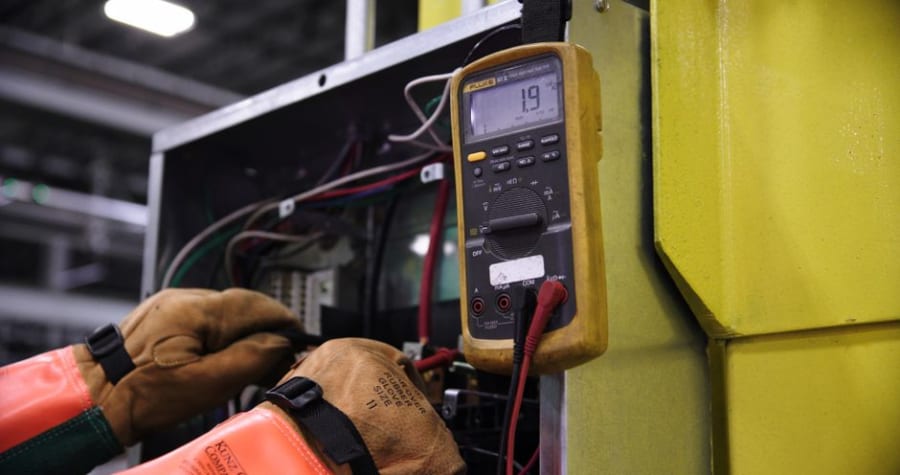
The report itself records everything the electrician finds, and where something does not meet the standard it gets an observation with a code. Those codes are the important part, because they translate a list of technical findings into a clear order of priority. A report is not a simple pass or fail line - it is a graded picture of the installation, and the codes are how you read it. Understanding them turns an intimidating document into a clear action list.
What the C1, C2, C3 and FI Codes Mean
There are four classification codes an EICR uses, and each one tells you something different about urgency. C1 means danger present - a risk of injury exists right now and immediate action is required. C2 means potentially dangerous - not an immediate risk, but something that could become dangerous and needs putting right without delay. C3 means improvement recommended - the installation is not unsafe, but it does not meet the latest standard and would be better brought up to it. FI stands for further investigation - the electrician has found something that needs looking into more deeply before it can be coded properly.

The rule that matters most is this: any C1, C2 or FI makes the overall report unsatisfactory, while C3 codes on their own do not. So a report can be peppered with C3s and still pass, but a single C2 fails it until that item is fixed. Electrical Safety First, the electrical safety charity, is a good plain-English reference on what these classifications mean. Once you know the codes, the report tells you exactly what has to happen and in what order.
C1 - Danger Present: Act Immediately
A C1 is the one to take seriously the moment you see it. It means the inspector has found something that presents a real, immediate risk of injury - exposed live parts, a dangerous fault, something a person could touch and be hurt by. A good electrician will usually make a C1 safe on the spot during the inspection, or at least make it safe before leaving, because it is not something that can wait.

C1 codes are relatively uncommon on a reasonably maintained installation, but when they appear they are non-negotiable. There is no sensible argument for delaying a C1 - the danger is present now, and the duty to keep the installation safe under the Electricity at Work Regulations 1989 applies directly. If your report has a C1 that was not made safe during the visit, treat it as urgent and get an electrician to it straight away.
C2 - Potentially Dangerous: Fix It Soon
C2 is the code you are most likely to see on a commercial EICR, and it is the most common reason a report comes back unsatisfactory. It means a fault that is not dangerous at this exact moment but could become dangerous - a deterioration, a missing safety feature, something that is one fault away from being a real risk. Classic examples on Bristol’s older commercial stock include the absence of modern RCD protection, deteriorated wiring, or a distribution board that no longer meets the standard.
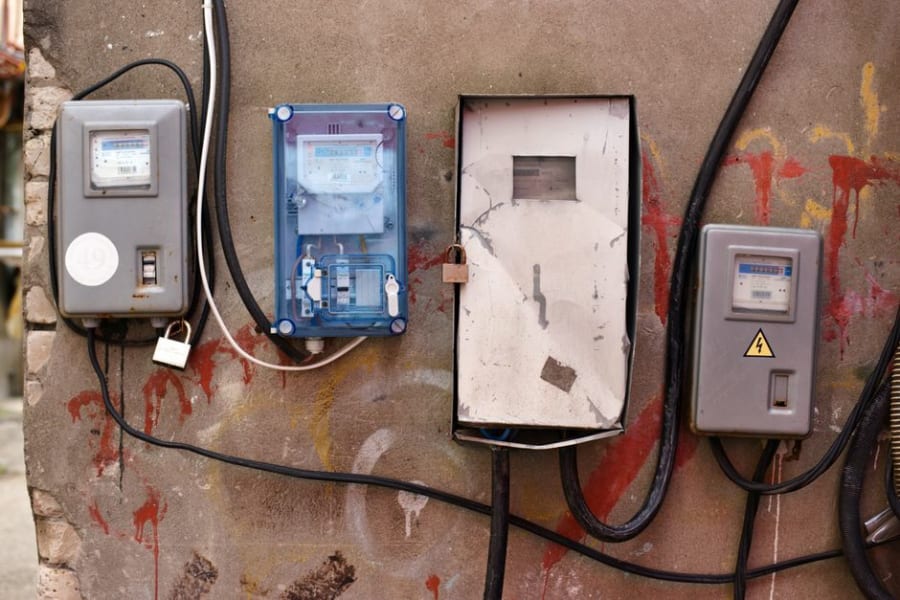
A C2 does not mean stop trading, but it does mean fix it without delay. Left alone, a C2 is a problem waiting to happen, and it keeps your report unsatisfactory in the meantime, which insurers and landlords will notice. The practical response is to get the remedial work quoted and done promptly. Where several C2s point at an ageing board, the sensible fix is often a distribution board upgrade that resolves multiple observations at once.
C3 and FI - Improvement Recommended and Further Investigation
C3 and FI are the two that cause the most confusion, so they are worth being clear on. A C3 - improvement recommended - is not a failure. It flags something that is safe and compliant with the standards it was installed under, but which would be better if brought up to the latest regulations. You are not obliged to act on a C3 to pass the report, but they are worth reviewing, because addressing them at the next opportunity keeps the installation modern and can head off future C2s.

FI - further investigation - is different and does affect the outcome. It means the inspector found something that could be a problem but could not fully assess on the day, so it needs a closer look before it can be coded. Because the risk is unknown, an FI makes the report unsatisfactory until it is investigated and resolved. The right response to an FI is to arrange that further investigation promptly rather than leaving an open question hanging over the installation.
Satisfactory vs Unsatisfactory: What Determines a Pass
The overall outcome of an EICR is a single word - satisfactory or unsatisfactory - and now the codes make sense, so does that verdict. A satisfactory report means no C1, C2 or FI items: the installation is safe to continue in use, even if it carries some C3 recommendations. An unsatisfactory report means at least one C1, C2 or FI is present, and the installation needs remedial work before it can be signed off as satisfactory.

This is why an unsatisfactory result is not a disaster - it is a to-do list. The report tells you precisely what has to be put right, and once those items are fixed and the work certified, the installation is satisfactory. For landlords and tenants this matters because an unsatisfactory EICR affects insurance, lettability and compliance, so turning it satisfactory is not optional. The point of the exercise is a safe, documented installation, and the codes are simply the route there.
What to Do When Your Bristol EICR Fails
If your report comes back unsatisfactory, the process is calm and clear rather than a crisis. First, read the codes and their priorities - deal with any C1 immediately, then plan the C2 and FI items. Second, get the remedial work quoted; a good electrician will explain each observation in plain terms and what fixing it involves, so you understand what you are paying for rather than just approving a list. Grouping related remedial work, especially where it points at the board or a run of old wiring, is often more efficient than fixing items piecemeal.

Once the remedial work is done, the installation is re-tested and the report updated to satisfactory, with certification for the work carried out - which is why it is worth using a properly accredited, NICEIC-registered electrician whose paperwork insurers recognise. Keep all of it on file for your insurers and the next inspection. If you would like someone to walk through an unsatisfactory EICR with you and quote the remedial work honestly, that is exactly the kind of thing our inspection, certification and compliance service is for, and our guide to EICR costs in Bristol helps you budget. A failed EICR is a manageable, fixable thing once you know what the codes are telling you.
Frequently Asked Questions
What does a C2 code mean on my commercial EICR?
C2 means potentially dangerous - a fault that is not an immediate danger right now but could become one, so it needs putting right without delay. Any C1 or C2 code makes the overall report unsatisfactory, so a C2 has to be fixed and the work confirmed before the installation is considered safe and the EICR passes. It is the most common reason a commercial EICR fails.
Does one bad code make the whole EICR fail?
A single C1 or C2, or an FI (further investigation), makes the overall assessment unsatisfactory - so yes, one serious code fails the report. C3 codes (improvement recommended) do not, on their own, make an EICR unsatisfactory. To turn an unsatisfactory report into a satisfactory one, the C1, C2 and FI items have to be resolved and the remedial work certified.
How long do I have to fix EICR faults on a Bristol commercial property?
A C1 (danger present) needs acting on immediately - the risk is live. A C2 should be fixed without delay, and while there is no single fixed deadline for commercial premises, insurers, landlords and your own duty to keep the installation safe mean it should not be left. The practical answer is to get the remedial work quoted and done promptly, then have the installation re-tested.
Who pays to fix EICR failures in a leased Bristol unit?
It depends on the lease. On a full repairing lease the tenant is usually responsible for the installation inside their unit and therefore for remedial work, while the landlord covers common areas and shared supplies. The lease decides it, so check the wording - and ideally sort out the state of the electrics before you sign, not after a failed EICR lands.
Get a free quote from Bristol Commercial Electricians to review an unsatisfactory EICR and put the remedial work right across Bristol.